


By Elvis Eromosele

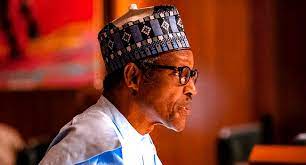
This afternoon, Nigeria stood still. Streets were quieter, schools closed, offices shuttered, and the usually bustling markets wore an eerie calm. The Federal Government had declared a public holiday to honour the funeral of former President Muhammadu Buhari, a man whose legacy continues to divide opinion and stir passionate debate across the country. As the nation pays its final respects, experts warn that the cost of this national pause could exceed two billion dollars in lost productivity, trade, and economic activity.
So, as flags flew at half-mast and citizens paid their last respects, the economy quietly bled. Experts estimate the shutdown will cost Nigeria over $2 billion in lost productivity, trade, services, and informal economic activity. That’s ₦3 trillion, gone in just one day.
While honouring national leaders is important, the economic reality is harsh and unforgiving. Consider these numbers:
$500 million lost from the informal sector. Over 60 per cent of Nigerians operate in informal trade, markets, as artisans, and day labourers. A public holiday means no income.
$400 million from the financial sector. With banks closed, transactions freeze, loans stall, and business operations get delayed.
$300 million from transport and logistics. Inter-city travel, haulage, public transport, and deliveries grind to a halt.
$250 million from manufacturing and industry. Factory floors go silent; production is halted; supply chains are disrupted.
$200 million from education and services. Private schools, training centres, and service businesses close shop.
$350 million in the general economic slowdown. Multinational firms delay operations, while SMEs lose vital contracts and daily earnings.
Add it all up, and the cost of one day of mourning balloons past $2 billion.
Supporters argue that former President Buhari deserves this national honour. As a public figure who dominated Nigeria’s political scene for decades, his passing is a moment for national reflection. I agree.
In many countries, national holidays are declared for the death of former presidents. For instance, the U.S. declared a federal holiday for President George H.W. Bush’s funeral. Ghana did the same for Jerry Rawlings. South Africa mourned Nelson Mandela with a nationwide pause.
But Nigeria’s situation is different. The country is in an economic crunch, with inflation at over 30 per cent, unemployment over 33 per cent, the Naira weakened to ₦1,500+ per dollar and a debt burden exceeding ₦97 trillion.
Beyond the billions in direct losses, there are secondary effects that will linger:
Disrupted medical services: Non-emergency appointments cancelled.
Postponed legal proceedings: Courts not sitting means justice delayed.
Halted government processes: Ministries, tax offices, and agencies were inactive.
Interrupted learning: Students lost revision/exam days.
Impact on daily wage earners: One day without work = one day without food.
The real victims are the most vulnerable, people who live hand-to-mouth.
There’s also the question of opportunity cost. What could the government have done instead to honour the former leader’s legacy, without shutting down the country?
Public holidays aren’t the only way to commemorate a former president. Experts suggest other viable options:
National Day of Remembrance: Like Memorial Day in the U.S., this could be observed with ceremonial activities while maintaining regular economic operations.
Flag Flying at Half Mast: A simple but powerful symbol of mourning.
Live Broadcast of Funeral: Allowing citizens to participate virtually, while keeping critical sectors running.
Commemorative Projects: Launching an initiative in his name, a public health centre, an educational fund, or an infrastructure project, might better reflect enduring impact.
These approaches honour the man without hurting the masses.
I suppose it’s important to ask: What is the cost of patriotism? When does symbolism tip into sabotage?
Yes, nations must mourn their leaders. But when a country already struggling to stay afloat shuts down for a full day, it risks deepening the pain of millions.
$2 billion might seem like a fleeting figure on paper. But for millions of Nigerians, that’s food, rent, school fees, medicine, and daily survival.
Buhari’s legacy will be debated for years. But his funeral has taught us one clear lesson, national honour must never come at the expense of national survival.
Nigeria must create a framework for mourning that doesn’t cripple the economy. Respect and remembrance can coexist with productivity.
In a nation where every naira counts, losing ₦3 trillion in one day should make everyone pause, not just in silence, but in strategy.

