


The drop in Nigeria’s food inflation to and headline inflation to
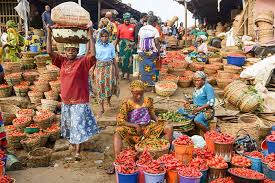
in September 2025 marks a significant and welcome relief for consumers. This cooling trend, driven primarily by falling prices for staples like maize and grains, suggests a successful harvest season is temporarily easing price pressure.

However, a closer analysis shows this relief may be fleeting, highlighting both positive economic indicators and persistent structural challenges.
1. Harvest Effect: Short-Term Relief, Not Structural Fix
The National Bureau of Statistics (NBS) data confirms that the drop is heavily linked to a rapid decline in the prices of key commodities (maize, grains, garri, beans, etc.).
- Positive Indicator: This suggests that ongoing harvests are successfully boosting the supply of essential food items, leading to a month-on-month contraction in food inflation (deflation) of
. This demonstrates the powerful role local agricultural cycles play in immediate price stability.
- The Caveat: This drop is largely a seasonal effect. It does not address the underlying non-food factors that drive long-term inflation, such as energy costs, currency depreciation (which affects imported inputs like fertilizer), and persistent insecurity in farming regions. Once the harvest influx subsides, prices are likely to climb again unless these core issues are resolved.
2. Implications for Monetary Policy
The significant fall in headline inflation (from to
) provides crucial breathing room for the Central Bank of Nigeria (CBN).
- Pressure for Rate Cut: With inflation cooling, markets will likely increase pressure on the CBN to adopt a more accommodative stance. A lower inflation rate gives the CBN more flexibility to consider a rate cut, a move that would make borrowing cheaper for businesses and potentially spur economic growth.
- The Balancing Act: However, the CBN must carefully weigh the temporary nature of the food price drop against core inflation drivers. Cutting rates prematurely while the Naira remains volatile or structural costs remain high could risk reigniting inflation, undoing the progress made.
3. The Widening Regional Divide
The state-by-state data reveals a troubling disparity in the cost of living:
- Extreme Highs: States like Ekiti (28.68%
), Rivers (24.18%
), and Nasarawa (22.74%
) report food inflation rates significantly higher than the national average.
- Implication: This disparity points to challenges in the logistics and security of the supply chain. High inflation in these states likely reflects increased costs due to insecurity, high transportation costs (fuel and poor roads), and regional market inefficiencies, signaling that the harvest relief is not reaching all parts of the country equally.
In summary, the September data offers a valuable, albeit temporary, win for the government and consumers. It reinforces the urgent need to invest in infrastructure and security to turn seasonal price relief into sustained, structural price stability across the country.
