


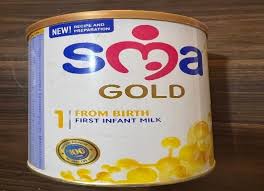
The National Agency for Food and Drug Administration and Control (NAFDAC) has issued a public health alert over a suspected revalidated batch of SMA Gold First Infant Milk Formula discovered in Kaduna State.

The warning followed a complaint that the product allegedly caused gastrointestinal distress in a four-month-old infant after consumption.
NAFDAC said laboratory and physical examination of the product revealed clear evidence of expiry date alteration.
According to the agency, the manufacturing and expiry dates printed on a pre-attached sticker were inconsistent with the original markings beneath it, confirming suspected revalidation and tampering.
The agency warned that altering shelf-life information without regulatory approval poses serious health risks, particularly for infants.
Expired or tampered infant formula may contain degraded nutrients or harmful microorganisms. NAFDAC said potential risks include:
- Acute gastroenteritis
- Dehydration and electrolyte imbalance
- Malnutrition
- Secondary infections
Infants, especially those with developing immune systems, are particularly vulnerable to severe complications.
- Product Name: SMA Gold From Birth First Infant Milk, 900g
- Stated Manufacturer: Nestlé
- Batch Number: 22939510A1206 07:35
- Manufacturing Date: 20 January 2025
- Expiry Date: 20 January 2027 (suspected alteration)
- NAFDAC Registration No.: B1-2783
- Status: Revalidated/tampered
NAFDAC has directed immediate nationwide surveillance to identify and remove affected products from circulation. The agency urged distributors and retailers to source products only from authorised suppliers and verify packaging authenticity.
The regulator reiterated that revalidating expiry dates constitutes product adulteration and consumer deception.
The alert comes amid intensified enforcement against counterfeit and substandard products. In recent operations, NAFDAC has intercepted and destroyed fake medicines and regulated goods worth billions of naira across Lagos, Port Harcourt, and Ibadan, in collaboration with the Nigeria Customs Service.
The agency advised healthcare providers and consumers to report suspicious products through its official channels to safeguard public health.
