


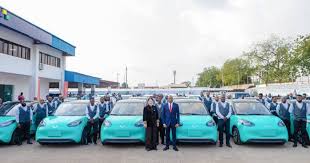
Lagride has deployed a fresh batch of vehicles in Lagos under its Drive-to-Own programme, backed by a $100 million financing facility from United Bank for Africa (UBA).

At a vehicle handover ceremony on Tuesday, the company said it aims to roll out 3,500 vehicles under the scheme as it scales operations.
The Drive-to-Own initiative is designed to transition drivers, referred to as “captains”, from short-term rental arrangements to structured vehicle ownership.
Eligibility is determined using verified performance data from a prior rental period, including:
- Service quality ratings
- Safety records
- Regulatory compliance
- Ride completion rates
- Customer feedback
- Operational discipline on the platform
According to Lagride, this data-driven model provides a measurable track record that reduces risk for financing partners.
Mildred Ekanem, Lagride Executive Director, said the company is building “a credible ownership engine” that improves service quality while expanding economic opportunities for drivers.
The $100 million facility, secured in December 2025, is funding the expansion of the programme.
Babatunde Ajayi, UBA’s Head of Business Banking, described the structure as a practical and inclusive financing model that combines governance, performance data, and asset ownership.
The funding is expected to:
- Increase the number of vehicles available under the scheme
- Reduce reliance on informal lending
- Provide structured repayment plans tied to earnings
Chief Diana Chen, Lagride Chairman, said the long-term objective is to move drivers up the economic ladder, from operating vehicles to owning productive assets and potentially managing multiple cars.
By linking ownership to consistent earnings and verified repayment history, the programme aims to lower default risks that have historically limited bank financing for individual drivers.
The Lagride-UBA partnership represents a broader shift in urban mobility financing, where technology platforms act as intermediaries between drivers and banks, using real-time operational data to unlock formal credit access.
If successful, the model could expand the pool of bankable transport operators in Lagos while introducing greater structure and transparency into the ride-hailing ecosystem.

