


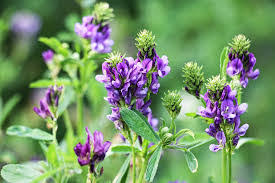

Jigawa State has taken a major step toward transforming its agricultural sector, as Governor Umar Namadi supervised the signing of a Memorandum of Understanding (MoU) with a consortium of investors for the large-scale production of alfalfa on Wednesday. Under the agreement, the state will provide up to 100,000 hectares of land, positioning the initiative as one of the largest alfalfa projects in Africa.
Hamisu Mohammed Gumel, Chief Press Secretary to the governor, confirmed the development in a statement issued in Dutse. The MoU follows a high-level visit by an investor delegation led by Kashifu Inuwa, Director-General of the National Information Technology Development Agency (NITDA).
Governor Namadi reaffirmed Jigawa’s deep-rooted commitment to agriculture and livestock, describing the sector as the backbone of the state’s economy.
“Ninety per cent of our people depend on agriculture, and it contributes over half of our GDP. Any government serious about development must prioritise agriculture,” he said.
He highlighted Jigawa’s growing agricultural profile, leading the country in wheat production and cultivating 315,000 hectares of rice this year, with a target of 500,000 hectares by 2030. He also emphasised the state’s status as home to Africa’s largest livestock market, the Maigatari market.
On the new alfalfa venture, the governor said: “The project targets 100,000 hectares, and we will make every hectare available over time. Jigawa is peaceful, secure, and fully open for business.”
Namadi noted that the state’s one-stop investment platform, InvestJigawa, would streamline land allocation and regulatory processes for the investors.
NITDA DG Kashifu Inuwa said the project aligns perfectly with President Bola Tinubu’s food security and agricultural expansion agenda.
“Boosting agriculture is priority number two on the President’s agenda. Jigawa’s investor-friendly climate is a key reason we’re bringing this project here,” he stated, adding that implementation will begin immediately.
The partnership is expected to boost agricultural productivity, strengthen livestock feed supply, and attract further investment to Jigawa’s fast-growing agricultural economy.

