


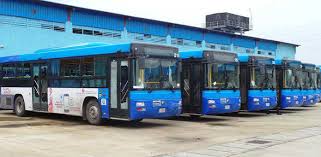
Lagos commuters will begin paying more for public transport from March 2, 2026, following the approval of a 13 per cent fare increase across Bus Reform Initiative (BRI) services.

The Lagos State Government announced that the upward review affects Bus Rapid Transit (BRT) corridors as well as standard regulated bus routes statewide.
The decision was disclosed in a statement by Kolawole Ojelabi, Head of Corporate Communication at the Lagos Metropolitan Area Transport Authority (LAMATA).
According to the statement, Governor Babajide Sanwo-Olu approved the increase following appeals from regulated public transport operators who warned that rising economic pressures were threatening the sustainability of their operations.
Ojelabi said the revised fare structure will take effect on Monday, March 2, 2026. He explained that the adjustment is intended to cushion the impact of persistent economic challenges affecting the transport sector.
The review, he added, is consistent with the state’s previously approved annual fare review mechanism.
Officials pointed to continued inflationary pressure as a key factor behind the decision. Nigeria’s inflation rate closed 2025 at 15.2 per cent, according to figures from the National Bureau of Statistics (NBS).
Bus Operating Companies (BOCs), the government said, have been battling escalating operational costs, including:
- Higher vehicle maintenance expenses
- Increased cost of spare parts
- Rising staff salaries, especially after the new national minimum wage implementation
The state government also noted that operators are investing in newer, cleaner, and more fuel-efficient buses to improve passenger comfort and support environmental sustainability.
While acknowledging the burden on commuters, LAMATA assured residents that the government remains committed to balancing affordability with the need to maintain safe, reliable, and efficient transport services.
For millions of Lagosians who rely daily on BRT and regulated bus services, the 13 per cent hike adds to mounting cost-of-living pressures, even as authorities insist the adjustment is necessary to keep the system running effectively.
