By Elvis Eromosele

Nigeria is witnessing a data boom. With expanding 4/5G networks and growing broadband penetration, millions now rely on mobile data for daily activities, from education and business transactions to entertainment and communication.
However, this surge is not without its challenges, including widespread data wastage driven by poor usage habits, increased exposure to cyber threats such as scams and data breaches, the growing consumption of misinformation and harmful content, as well as rising concerns around digital addiction and unproductive usage patterns.
These realities underscore a simple truth: access alone is not enough; smart usage is essential.
In today’s Nigeria, where inflation continues to squeeze household incomes, the cost of data has become more than just a convenience; it is a financial decision. For students attending virtual classes, entrepreneurs running online businesses, and families staying connected, every megabyte counts.
Yet, many users unknowingly burn through data due to background app activity, automatic updates, and excessive streaming. In an economy where prudence is critical, inefficient data use translates directly into wasted income.
Smart data use, therefore, is not merely a digital skill; it is an economic survival strategy. Households that manage their data consumption effectively are better positioned to stretch limited resources while maintaining productivity.
One of the most significant shifts Nigeria must make is moving from passive data consumption to productive utilisation. While social media, streaming, and gaming dominate usage patterns, the real value of data lies in its ability to unlock opportunities.
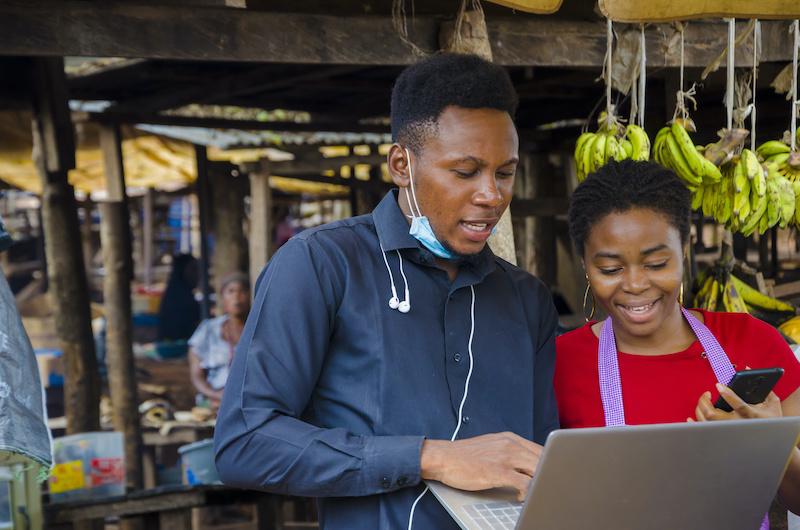
Digital platforms now power remote work, e-commerce, financial services, and skills development. From small business owners leveraging WhatsApp for sales to freelancers accessing global markets, data can be a powerful tool for economic mobility.
The challenge is behavioural. Without intentional use, data becomes a channel for distraction rather than development. Building a culture of smart data use means encouraging Nigerians, especially young people, to prioritise learning, innovation, and income-generating activities online.
As data usage grows, so does exposure to cyber risks. Fraudulent links, phishing schemes, identity theft, and fake investment platforms are increasingly targeting unsuspecting users.
In this environment, digital literacy must go beyond knowing how to browse or stream. It must include understanding how to stay safe.
Users need to adopt basic but critical habits:
- Verifying links before clicking
- Avoiding suspicious downloads
- Using strong passwords and two-factor authentication
- Being cautious about sharing personal information
Cybersecurity is no longer the responsibility of institutions alone; it is a shared duty. Every careless click can have financial and reputational consequences.
Institutions like the Nigerian Communications Commission (NCC) have continued to promote digital inclusion while emphasising consumer protection. However, regulation alone cannot solve the problem.
Telecom operators, technology companies, schools, and civil society all have roles to play in promoting responsible data use. Public awareness campaigns, digital literacy programmes, and clearer consumer education can help bridge the knowledge gap.
There is also a need for platforms to design systems that encourage healthier usage patterns, including tools that track screen time and data consumption.
Another growing concern is the spread of misinformation, which thrives in an environment of unchecked data consumption. False news, manipulated content, and sensational narratives not only mislead users but can also fuel social tension.
Smart data use requires critical thinking, questioning sources, verifying information, and resisting the urge to share unverified content.
At the same time, digital discipline is becoming increasingly important. The line between connectivity and addiction is thin, and excessive screen time can erode productivity, mental health, and real-world relationships.
Setting boundaries, such as limiting non-essential screen time and prioritising meaningful engagement, can help users regain control.
Ultimately, Nigeria’s data revolution must be matched by a mindset revolution. Access to data is only the first step; how it is used determines its true value.
In an era defined by rising costs, economic uncertainty, and evolving cyber threats, smart data use is no longer optional. It is a necessity for individuals, businesses, and the nation as a whole.
By embracing efficiency, prioritising productivity, and strengthening digital safety awareness, Nigerians can turn data from a cost burden into a powerful tool for growth.
The future of Nigeria’s digital economy will not be shaped merely by how much data is consumed, but by how wisely it is used.