


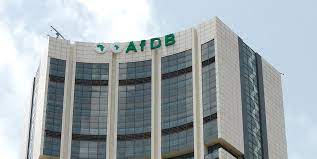
The African Development Bank (AfDB) has approved a $500 million loan for Nigeria to fund the second phase of the Economic Governance and Energy Transition Support Programme.

The approval was announced on Wednesday after the Bank’s Board of Directors met in Abidjan, Côte d’Ivoire. The policy-based loan covers the 2024 and 2025 fiscal years and is designed to accelerate structural reforms, strengthen fiscal management, and drive Nigeria’s transition to cleaner, more reliable energy.
Abdul Kamara, Director General of the AfDB Group’s Nigeria office, said the second phase aims to “stimulate inclusive growth by accelerating structural reforms in the energy sector while supporting progressive fiscal reforms to boost non-oil revenues.”
The programme builds on gains from the first phase, which focused on stabilising public finances and initiating key energy-sector reforms.
Three Major Focus Areas
1. Fiscal Reform and Transparency:
The loan will support efforts to improve public financial management, enhance transparency in government spending, reduce fiscal risks, and grow Nigeria’s non-oil revenue base.
2. Power Sector Reform:
Funds will accelerate reforms to reduce energy poverty, improve electricity access, strengthen governance in the power sector, and attract greater private investment. The AfDB noted that Nigeria continues to struggle with low generation capacity, weak transmission infrastructure, and market inefficiencies.
3. Energy Transition:
The facility supports Nigeria’s National Energy Transition Plan, including climate adaptation and mitigation measures, energy-efficiency standards, and the update of Nigeria’s Nationally Determined Contributions (NDCs) for 2026–2030.
Who Benefits
Key institutions to benefit include the Ministry of Finance, FIRS, Auditor-General’s Office, DMO, Ministry of Power, NERC, NCCC, and the Ministry of Environment. Private businesses, especially those in the power and renewable-energy ecosystem, are also expected to gain from a more stable investment climate.
The AfDB said the programme will help Nigeria achieve fiscal consolidation, macroeconomic stability, and long-term energy security, key requirements for restoring investor confidence.
As of 31 October 2025, the Bank’s active portfolio in Nigeria includes 52 projects worth $5.1 billion, covering infrastructure, agriculture, governance, energy, and private-sector development.

