By Elvis Eromosele

Nigeria’s bustling streets and marketplaces are filled with the tangible energy of a young nation. But a quieter, faster revolution is occurring in the invisible realm. Every mobile money transfer, every streaming startup, and every NIN-linked transaction relies on a delicate, sprawling network of fibre optic cables, base stations, and data centres. This is Nigeria’s Critical National Information Infrastructure (CNII), the very nervous system of its aspiring digital economy.
Yet today, this crucial foundation is under constant siege. Daily reports of fibre cuts, equipment theft, and vandalism have become the background noise of the telecom sector. Until recently, these were considered operational headaches for private companies. However, a significant shift in thinking is occurring, elevated by recent legislative action. In 2024, President Bola Tinubu officially signed the Designation and Protection of Critical National Information Infrastructure Order, effectively declaring a threat to this network as a threat to the state itself.
“The security and resilience of our national infrastructure is not negotiable,” stated Dr. Aminu Maida, Executive Vice Chairman of the Nigerian Communications Commission (NCC), capturing the urgency. The message from the highest levels of government and industry is clear: CNII protection must become an urgent national priority.
Nigeria boasts Africa’s largest ICT market. By mid-2025, the telecommunications sector alone was contributing over 11 per cent to the nation’s real GDP, often surpassing the volatile oil sector in its steady growth. Broadband penetration has crossed 48 per cent, with 5G technology rapidly expanding.
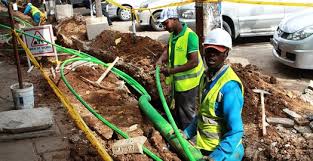
But this impressive growth sits atop a fragile infrastructure. The “current status” of CNII resilience is defined by a paradox of high ambition and high vulnerability. Operators across the country record an astonishing surge in sabotage, with one major provider reporting a fibre cut every six minutes. Vandalism of base stations, theft of expensive lithium batteries, and community resistance to infrastructure deployment are routine occurrences. Government agencies sometimes inadvertently damage unregistered infrastructure during road construction projects, reflecting a fragmented system.
Beyond physical attacks, the cyber threat landscape is also escalating. Attacks on financial institutions and government databases have exposed the “information” component of the CNII to significant risk.
The government has not been idle. The existing legal framework, principally the Cybercrimes (Prohibition, Prevention, etc.) Act 2015 (amended in 2024) and the new 2024 CNII Order provide a robust basis for prosecution. The Office of the National Security Adviser (ONSA) has been mandated to oversee the protection plans, including the establishment of a Trusted Information Sharing Network (TISN). The NCC works tirelessly around the clock, and operator associations advocate for special protection status.
The gap, therefore, is not a lack of intention or orders, but a gap in enforcement and execution. The new Order must transition from a presidential signature in a gazette to visible, effective action on the ground. Several factors contribute to this roadblock:
- Fragmentation: Regulatory overlap and multiple taxation regimes across federal, state, and local governments delay approvals and create confusion for operators.
- Inactive Oversight: Key strategic bodies, such as the Cybercrime Advisory Council, have remained largely inactive or dominated by security agencies, hindering a holistic, multi-stakeholder approach.
- Lack of Transparency: There is still no publicly accessible registry of designated CNII assets, creating compliance ambiguity and hindering public awareness.
- Community distrust: Community resistance to infrastructure projects often stems from previous unaddressed damages caused by contractors, fueling a culture of negligence.
A fragile digital lifeline cannot support the weight of a robust economy. The “viable path forward” must be paved with strategic imperatives that transform CNII protection from a technical necessity into a societal commitment.
A. Transform the 2024 Order into Active Enforcement
The most critical step is the activation of the 2024 CNII Order. This requires:
- Specialised Protection Units: Establishing dedicated police or paramilitary units trained in the identification, surveillance, and swift protection of critical digital assets.
- Swift Prosecution: Setting up specialised courts or fast-track processes for the prosecution of CNII offenses, sending a strong deterrent message.
B. Institutionalise Holistic Public-Private Partnerships (PPP)
Vulnerability is shared; protection must be shared, too.
- Active Advisory Council: Activating the Cybercrime Advisory Council with meaningful participation from the private sector, civil society, and academia to develop inclusive policies.
- The TISN Framework: Operationalising the Trusted Information Sharing Network to facilitate real-time threat intelligence sharing between operators and security agencies.
C. Foster Community Stewardship
Infrastructure is laid in communities, not in vacuums.
- Community Engagement: Engaging local communities in their native languages, educating them on the direct connection between a protected fibre cable and their ability to access banking, education, and healthcare.
- Benefit-Sharing Models: Exploring models where host communities share in the benefits or oversight of the infrastructure, turning them into its ultimate guardians.
D. Simplify the Regulatory Landscape
Government must become an enabler, not a bottleneck.
- Single Window Approval: Implementing a unified, online approval system for Right-of-Way (RoW) permits to eliminate delays and multiple taxation.
- Uniform Standards: Harmonising RoW charges and deployment standards across all states to encourage uniform infrastructure investment.
As Nigeria positions itself as a leader in Africa’s digital revolution, the vulnerability of its CNII remains its greatest risk. The path to security requires a shift in perspective. Fibre optic cables are no longer just business assets; they are the arteries of a nation’s development. Base stations are not just towers of steel; they are lifelines connecting patients to doctors, students to global knowledge, and small businesses to international markets.
When a citizen cannot process a payment or a student misses an online exam due to a cable cut, the damage is felt not just by the operator but by the entire economy and nation. The designation of CNII as a critical asset is a welcome first step. The next, more vital step is for every level of government, industry, and local community to accept their responsibility as custodians of this essential public trust.