


By Elvis Eromosele

Sir,,
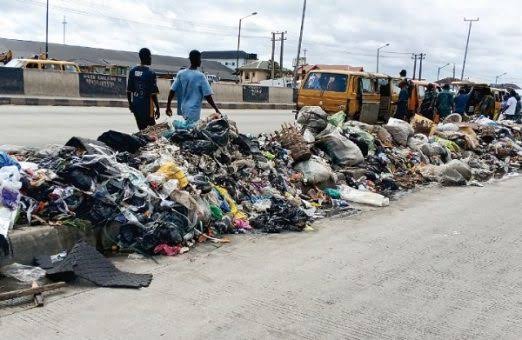
I took a bus from Ikotun to Egbeda on Saturday. The journey was surprisingly swift, but what should have been a pleasant ride was overshadowed by an all-too-familiar sight. Along long stretches of the median, heaps of refuse stood like ugly monuments to neglect. Plastic bags, food waste and other debris had turned what should have been landscaped road dividers into open dumpsites. As I looked out the window, one thought kept echoing in my mind: we cannot continue to live like this.
Editor, this growing trend of citizens dumping household refuse directly onto our road medians has crossed the line from a minor nuisance to a public health crisis. One of the most disturbing sights across our cities is this reckless behaviour, and those who engage in it are quite literally the worst offenders of community trust.
Road medians are not refuse dumps; they are deliberately designed to improve traffic safety, beautify our streets, and provide essential green lungs for our concrete jungles. By turning these buffers into open-air landfills, irresponsible individuals deprive law-abiding citizens of vital public spaces and inflict severe, compounding damage on our neighbourhoods.
The consequences of this neglect are devastating. The heaps of decomposing waste cause severe environmental degradation by blocking drainage channels, emitting foul odours, and leaching toxic liquids into the soil.
Furthermore, this activity creates an absolute haven for disease-carrying rodents and insects. Beyond the immediate health hazards, the visual pollution directly destroys civic pride and depresses local business values, ensuring that no one wants to live or work next to these corridors of neglect.
Leaving this crisis to the “conscience” of the dumpers has clearly failed, and this environmental abuse should no longer be tolerated. Local government agencies must step in with concrete, aggressive enforcement strategies.
We need smart infrastructure, including high-definition surveillance cameras installed at known dumping hotspots, alongside dedicated community “watchers” or plainclothes environmental marshals to monitor notorious spots during peak late-night and early-morning hours. Crucially, we must enact strict “polluter pays” penalties. Anyone caught illegally disposing of waste should not just face a symbolic fine; they must be legally mandated to pay the full operational cost of the evaluation, collection, and disposal teams required to clear the site. Stiff, financially draining sanctions like these are the only way to create a true deterrent.
However, government action alone will not solve this overnight. Keeping our cities clean is a shared responsibility, and every resident has a binding civic duty to protect the environment. We must actively report these offenders to local environmental authorities, using our phones to snap photos or take videos when necessary. The government must make available the necessary contact details.
Community associations, market leaders, and transport unions must also step up to educate their members on proper waste disposal methods. Until we all recognise that public spaces belong to everyone and deserve fierce protection, our roads will continue to reflect a culture of apathy. It is time to end the practice of turning our road medians into dumpsites and reclaim the dignity of our streets.
Sincerely,
Elvis Eromosele, a corporate communications expert and sustainability advocate, writes via: elviseroms@gmail.com

