
By Elvis Eromosele

Lagos is often described as Nigeria’s economic heartbeat. Home to more than 20 million people, the state is a bustling commercial hub where millions of daily activities generate enormous economic value. However, alongside its economic vibrancy comes a persistent challenge that has long threatened its livability and sustainability: waste management.
The recent decision by the Lagos State Government to launch a special “Waste Police” initiative marks another bold step in the state’s ongoing battle against indiscriminate waste disposal. The move, which brings together transport unions, the Lagos State Waste Management Authority (LAWMA), and transportation authorities, signals a recognition that environmental sanitation cannot be left to government agencies alone.
If properly implemented, the initiative could become a model for urban environmental management across Nigeria. If poorly executed, however, it risks becoming another well-intentioned programme that fails to achieve lasting impact.
The stakes could not be higher.
Waste dumping is more than an environmental nuisance. It is an economic, public health, and infrastructure challenge.
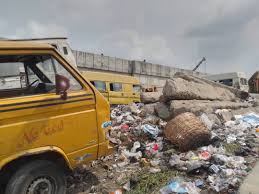
Every rainy season, Lagos residents witness the devastating effects of blocked drainage systems caused by refuse dumped into canals, road medians, and gutters. Flooded roads disrupt businesses, destroy property, and increase the cost of transportation.
Improper waste disposal also contributes to the spread of diseases such as cholera, typhoid fever, malaria, and other sanitation-related illnesses. Mountains of waste attract rodents, insects, and disease-carrying organisms that thrive in unsanitary conditions.
Beyond health concerns, a dirty environment affects the image of Lagos as a global investment destination. Investors, tourists, and business visitors often judge cities by the quality of their infrastructure and environmental standards.
A cleaner Lagos is therefore not simply an environmental objective, it is an economic imperative.
One of the most innovative aspects of the new initiative is the inclusion of transport unions as frontline environmental partners.
According to LAWMA, approximately 22 million commuter trips occur daily across Lagos. Motor parks, bus stops, garages, and transport corridors serve as major gathering points where significant quantities of waste are generated.
Transport workers are among the most visible stakeholders in these locations. Their constant presence provides an opportunity to monitor environmental compliance, educate commuters, and report offenders.
In many advanced cities around the world, public transport operators play active roles in maintaining cleanliness and protecting public infrastructure. From Singapore to London and Tokyo, transport systems are integrated into broader urban management strategies.
Lagos is now attempting to adapt a similar model to local realities.
The concept is both practical and strategic.
The proposed Waste Police initiative offers several potential benefits.
First, it expands the state’s enforcement capacity without necessarily creating a large new bureaucracy. By leveraging existing transport networks, the government can extend its environmental monitoring presence across all local government areas.
Second, it promotes community ownership of environmental sanitation. Citizens are more likely to comply with regulations when enforcement is visible and local stakeholders are actively involved.
Third, it can improve public awareness. Transport operators interact with thousands of commuters daily and can serve as environmental ambassadors, spreading messages about proper waste disposal.
Fourth, it creates opportunities for rapid reporting of environmental violations. Illegal dumping often occurs because offenders believe they can act without consequences. Increased surveillance can change this perception.
Most importantly, the initiative reinforces the message that cleanliness is everyone’s responsibility.
Despite its promise, several obstacles could undermine the programme if not carefully managed.
One major concern is the risk of abuse.
Whenever enforcement powers are expanded, there is a possibility that some individuals may misuse their authority. Reports of harassment, extortion, or selective enforcement could quickly erode public trust.
Training will therefore be essential.
Members of the Waste Police must clearly understand their responsibilities, limitations, and reporting procedures. Their role should focus on monitoring, education, and lawful enforcement support rather than arbitrary punishment.
Another challenge is public resistance.
Many residents have become accustomed to informal waste disposal practices due to inadequate awareness, convenience, or poor service delivery in certain areas. Behavioural change takes time and requires consistent engagement.
There is also the issue of infrastructure.
Enforcement alone cannot solve waste management problems if residents lack sufficient waste collection points, recycling facilities, and accessible disposal options.
Citizens must be given practical alternatives before being expected to fully comply.
For the Waste Police initiative to succeed, Lagos must adopt a balanced strategy that combines enforcement with education, incentives, technology, and infrastructure.
1. Prioritise Public Education
Awareness campaigns should accompany enforcement efforts.
Residents need to understand why proper waste disposal matters and how it directly affects flooding, public health, and quality of life.
Radio, television, social media, schools, religious institutions, and community associations should be mobilised to reinforce environmental messages.
People are more likely to comply when they understand the reasons behind regulations.
2. Train and Certify Waste Police Personnel
Every member of the Waste Police should undergo structured training.
Training should cover environmental regulations, conflict resolution, ethics, public engagement, and reporting procedures.
A formal certification process can enhance professionalism and accountability.
3. Deploy Technology
Technology can improve transparency and efficiency.
Mobile applications and hotlines can allow residents to report illegal dumping activities.
Digital monitoring systems can help track violations and reduce opportunities for corruption.
The use of geo-tagged photographs and electronic reporting tools would strengthen enforcement credibility.
4. Reward Compliance
Enforcement should be complemented by positive incentives.
Cleanest motor parks, transport routes, communities, and local government areas can be recognised through awards and public commendation.
People often respond positively when good behaviour is acknowledged and celebrated.
5. Strengthen Waste Collection Infrastructure
Residents must have access to reliable waste disposal services.
The government should continue expanding waste collection coverage, recycling programmes, transfer stations, and waste bins in strategic locations.
Convenience is a powerful driver of compliance.
6. Encourage Private Sector Participation
Businesses have a role to play in creating cleaner communities.
Corporate organisations can support environmental campaigns through sponsorships, waste recycling initiatives, and community sanitation programmes.
Public-private partnerships can significantly enhance sustainability outcomes.
7. Ensure Transparency and Accountability
The government should establish clear mechanisms for handling complaints against Waste Police personnel.
Independent oversight will help build public confidence and prevent abuses.
Regular publication of enforcement statistics and environmental performance indicators can further strengthen transparency.
Ultimately, the success of the Waste Police initiative will not be measured by the number of arrests made or fines imposed.
Its true success will be reflected in cleaner streets, reduced flooding, healthier communities, and a shift in public behaviour.
Cities that have successfully managed waste challenges did not rely solely on enforcement. They invested in building a culture where cleanliness became a shared value.
Lagos has already demonstrated its capacity to implement ambitious reforms in transportation, technology, and urban development. The Waste Police initiative presents another opportunity to showcase leadership in environmental management.
The challenge now is to ensure that enforcement is fair, education is continuous, infrastructure is adequate, and stakeholders remain committed.
A cleaner Lagos is possible. But it will require more than waste police officers on the streets. It will require millions of residents making a daily commitment to treat their city with care and responsibility.
When citizens, transport operators, businesses, and government agencies work together, the vision of a cleaner, healthier, and more sustainable Lagos can move from aspiration to reality.