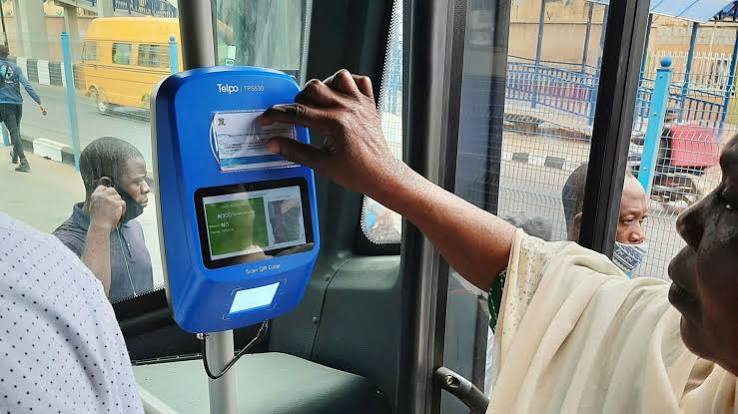
Touch and Pay Technologies (TAP), the operator of digital fare payment platform Cowry, processes an average of N3 billion in public transport fares monthly across Lagos’ regulated transport network, according to Afolabi Olamide, its co-founder and chief executive officer.

Olamide disclosed this in an interview with Nairametrics, stating that the monthly value represents a 60 per cent increase from the level recorded two years ago.
The growth reflects increased adoption of Cowry across regulated buses and the Lagos Blue and Red rail lines, alongside fare adjustments over the period.
Cowry currently processes more than 500,000 passenger trips daily, while transaction volumes have grown by an average of approximately 50 per cent over the past two to three years, Olamide said.
The platform serves an average of two million unique commuters across Lagos’ regulated public transport network. Active users make Cowry-paid trips at least twice a week on average.
Regulated buses remain a major component of Cowry’s transaction activity, recording more than five million passenger trips monthly.
The Blue Line records approximately 500,000 monthly trips, while the Red Line accounts for about 100,000.
According to Olamide, the Blue Line has recorded the fastest growth among the transport modes covered, with passenger volumes rising by more than 170 per cent over the past two years.
Cowry enables commuters to pay electronically for journeys on regulated buses and rail services, while generating transaction records that provide insight into passenger movement across the network.
The platform’s data identifies Ikorodu, Oshodi, Obalende/TBS and Abule-Egba among the major bus corridors with strong passenger demand.
Demand typically peaks between 6 a.m. and 8 a.m. in the morning and 4 p.m. and 6 p.m. in the evening, reflecting commuter movement to and from work and other daily activities.
Olamide said the data helps TAP identify passenger demand patterns and provides transport stakeholders with information that can support service planning and operational decisions.
Despite the introduction of rail services, Cowry’s transaction records show no significant decline in bus passenger volumes along corridors served by the Blue and Red Lines, Olamide said.
He noted that buses continue to play an important role in Lagos’ transport system, with commuters choosing between bus and rail based on destinations, convenience, travel time and personal preferences.
The pattern suggests that the two modes continue to serve different or complementary travel needs, although the interview did not provide detailed figures on passenger transfers between buses and trains.
Olamide said electronic fare collection has improved revenue reconciliation by creating digital records of transactions, making it easier to track passenger payments, verify collections and identify discrepancies.
He added that Cowry has helped reduce revenue leakage compared with cash-based collection, where reconciling passenger numbers with revenue generated can be more difficult.
However, he acknowledged that isolated cases of unauthorised cash collection still occur, describing them as serious operational violations that are discouraged.
According to him, digital records have strengthened accountability, transaction visibility and the reliability of revenue reporting across the regulated network.
Cowry’s data has also provided a clearer picture of commuting patterns that were more difficult to establish under cash-based fare collection. Its records consistently show heavy demand during morning and evening rush hours, particularly on major corridors such as Ikorodu, Oshodi and Abule-Egba.