


Abubakar Sadiq Omar, Managing Director of Steron Energy, has called for a new approach to developing Nigeria’s critical minerals sector, urging the country to move beyond exporting raw materials and focus on local value addition, technology transfer and greater youth participation.

Omar made the call during a fireside chat at the 2026 African Natural Resources and Investment Summit (AFNIS), where he presented Steron Energy’s proposed Resource for Technology (R4T) Alliance.
The initiative seeks to create a direct exchange between Nigeria’s critical mineral resources and finished technology products from global manufacturers, offering an alternative model for converting mineral wealth into development assets.
Under the proposed R4T model, minerals including lithium from Wasa, copper from Taraba and Kebbi, and silica and mica from Bauchi and Abuja would be exchanged for technology products such as electric vehicles, solar panels, batteries, inverters and copper cables.
Omar said the arrangement could allow Nigeria to leverage its mineral resources to secure technologies required for industrial and infrastructure development rather than relying exclusively on cash transactions or borrowing to finance imports.
He described the proposal as a “Trade-Not-Aid” pact and said it had been registered under the Nigerian Export Promotion Council’s Goods-for-Goods framework.
According to Omar, the model is intended to shift the conversation around Nigeria’s mineral resources from extraction and export to how those resources can support domestic economic development.
Nigeria possesses deposits of minerals considered important to industries ranging from renewable energy and electric mobility to manufacturing and electronics.
However, the economic value generated from mineral resources depends not only on extraction but also on processing, manufacturing and the development of industries around the resources.
Omar argued that Nigeria should therefore pursue greater value addition and technology transfer as part of its strategy for developing the sector.
Such an approach could create opportunities for domestic manufacturing, strengthen supply chains and enable more economic value to remain within the country.
He also called for greater patronage of locally manufactured products, saying stronger demand for Nigerian-made goods would help deepen domestic value chains and support the development of local industries.
Beyond minerals and technology, Omar said young Nigerians should play a more active role in the development of the extractive sector.
He advocated greater investment in education, innovation and practical exposure to mining operations, arguing that young people need to understand how the industry connects with everyday life.
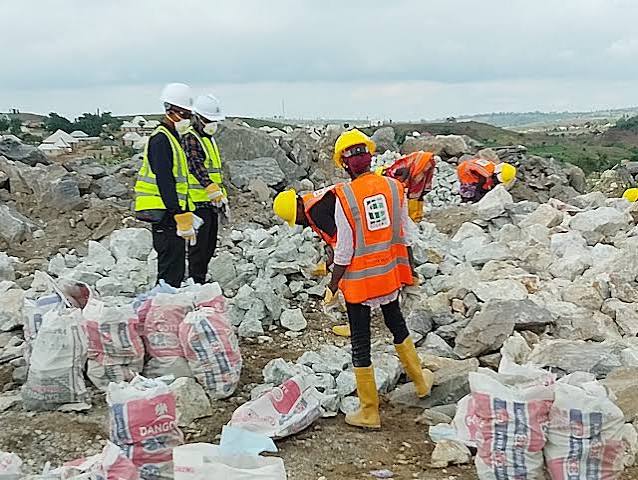
As part of the proposal, Steron Energy plans to organise an educational excursion for 50 secondary school students from its host communities to its Wasa mining site.
The programme is expected to expose students to mining operations, including safety procedures, the use of personal protective equipment and designated operational areas.
Omar said such initiatives could help young Nigerians develop a better understanding of mining while encouraging interest in science, technology, engineering and related fields.
Steron Energy is also proposing a national university design competition tagged “Design the Site: An African Mining Community Challenge.”
The competition would bring together students of architecture, engineering and related disciplines to develop designs for mining communities that reflect African and Nigerian realities.
Participants would be encouraged to use locally sourced materials while incorporating Nigerian culture, feeding practices and the relationship between mining companies and their host communities.
Omar said the initiative was designed to encourage young Nigerians to think beyond the extraction of minerals and consider how mining communities can be planned, developed and integrated into surrounding societies.

