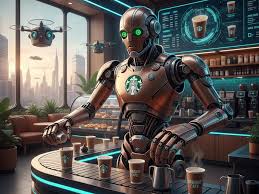

Starbucks is betting on artificial intelligence and automation to help reverse years of sluggish sales and restore customer traffic across its US stores.
At some drive-through locations, customers are now greeted by AI-powered systems that take orders, while inside stores, baristas use virtual assistants to recall recipes, manage schedules, and speed up service. In the back of the shop, automated scanning tools are handling inventory counts, reducing stock shortages that have frustrated customers.
The technology push is part of hundreds of millions of dollars in investments by the 55-year-old coffee chain as it seeks to win back customers after multiple quarters of weak performance.
The strategy appears to be gaining traction. Last week, Starbucks reported its first increase in same-store sales in the US in two years, a critical milestone in its largest market, which accounts for about 70 per cent of total revenue.
However, investors remain cautious. Starbucks shares fell 5 per cent after the earnings report, reflecting concerns that heavy spending, including $500 million to boost staffing, is weighing on profits.
Chief executive Brian Niccol said he remains confident that consistent sales growth will ultimately offset the costs.
“I really do believe we’ve got the right plan in place,” Niccol remarked, adding that technology investments are central to delivering profits as the company targets $2 billion in cost savings over the next three years.
Niccol, who joined Starbucks in 2024 after leading a turnaround at Chipotle, has moved quickly to reset the business. He paused price increases, simplified the menu, set faster service targets, cut corporate roles, closed underperforming stores, and reduced the company’s exposure to China.
At the same time, he has pushed to reconnect Starbucks with its roots as a neighbourhood coffeehouse. Baristas have been encouraged to handwrite names on cups, stores are being refreshed with new seating and décor, and ceramic mugs are returning, all part of a $150,000-per-store upgrade programme.
While the growing use of AI may appear at odds with that focus, Niccol said the goal is to reduce friction rather than replace human interaction.
“It’s a way for us to make the experience have less friction,” he said.
Starbucks is also testing AI chatbots that suggest drinks based on customer moods and rolling out order-scheduling tools to reduce wait times. Drive-through automation is being used to free up staff for hospitality and drink preparation.
The company is not ruling out future price increases, though Niccol said they would be a last resort and “fairly muted.” Lower inflation, easing coffee prices, and the removal of US tariffs on coffee imports could provide additional relief.
Despite ongoing union disputes and scrutiny of executive pay, Niccol insists Starbucks’ long-term strength lies in its physical spaces.
“People want these places to gather,” he said. “When we can provide that third place where everyone feels welcome, the Starbucks brand becomes the solution.”