…Landmark deal takes Electronic Arts private as investors weigh debt burden and creative independence

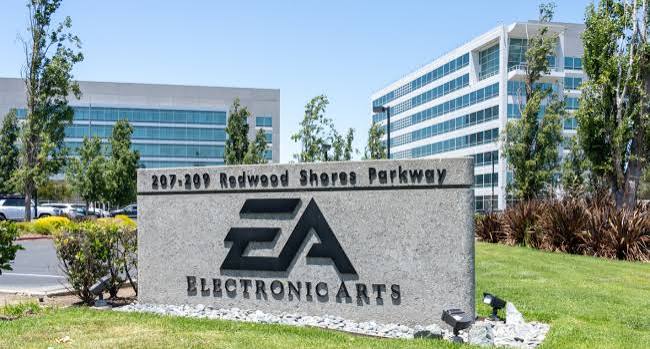
A Saudi Arabia-led investment group has completed its $55 billion (£41 billion) acquisition of Electronic Arts (EA), taking one of the world’s largest video game publishers private in what is being described as one of the biggest buyouts in corporate history.
The consortium is led by Saudi Arabia’s Public Investment Fund (PIF) and includes Affinity Partners, the investment firm headed by Jared Kushner, son-in-law of U.S. President Donald Trump.
The transaction removes EA from the stock market, with all publicly traded shares acquired by the investor group.
The acquisition is believed to be the largest leveraged buyout (LBO) ever completed, meaning a substantial portion of the purchase is financed through debt.
PIF has contributed $36 billion in equity and secured an additional $20 billion in financing from JPMorgan, with EA expected to assume responsibility for repaying much of the borrowed funds.
The size of the debt has prompted analysts to question how it could affect the company’s future operations.
Some industry observers warn the new owners may seek aggressive cost-cutting measures, including workforce reductions and increased monetisation of EA’s popular game franchises.
Christopher Dring, co-founder and editor-in-chief of The Game Business, said private equity-backed ownership often brings a more hands-on management approach focused on improving financial returns.
The acquisition has also sparked concern among sections of EA’s global gaming community, particularly fans of franchises such as The Sims, which has long been recognised for its inclusive representation of diverse identities and relationships.
Advocacy group Players Alliance HQ has launched a campaign urging gamers to contact elected officials and voice concerns over the transaction.
The group argues that majority ownership by Saudi Arabia’s sovereign wealth fund could influence creative decisions affecting themes such as free speech, gender equality and LGBTQ+ representation.
Saudi Arabia has faced longstanding international criticism over its human rights record, including laws that criminalise same-sex relationships. The Saudi government has consistently rejected allegations of systemic human rights abuses.
Despite the ownership change, Andrew Wilson will continue as Chief Executive Officer of EA.
He said the company remains focused on delivering innovative gaming experiences. “I am more energized than ever about the future we are building,” Wilson said following the completion of the deal.
Analysts say the acquisition reflects Saudi Arabia’s broader strategy of expanding its influence across global sports, gaming and digital entertainment.
Beyond its financial value, EA owns some of the world’s most successful gaming franchises, including EA Sports FC (formerly FIFA), The Sims, Battlefield and Mass Effect.
Its football titles alone have sold more than 325 million copies since their debut in 1993.
EA generated $7.5 billion in revenue last year, while Battlefield 6 sold more than seven million copies within three days of launch.
According to gaming analyst George Osborn, the acquisition gives Saudi Arabia influence over one of the world’s most important sports entertainment platforms.
He noted that EA’s football ecosystem connects more than 20,000 players, 750 clubs and 35 professional leagues, extending the kingdom’s reach beyond its existing investments in football clubs and major sporting events.
The purchase adds to Saudi Arabia’s growing investments in global sports and gaming through the Public Investment Fund, which already owns English Premier League club Newcastle United and has invested heavily in the Saudi Pro League and international esports competitions.
Critics have accused the kingdom of using high-profile investments in sport and entertainment to improve its international image, a practice commonly described as “sportswashing.” Saudi Arabia has consistently denied those allegations.
The acquisition is the second-largest transaction in gaming industry history, behind Microsoft’s $69 billion purchase of Activision Blizzard, underscoring the sector’s growing strategic importance in the global digital economy.