
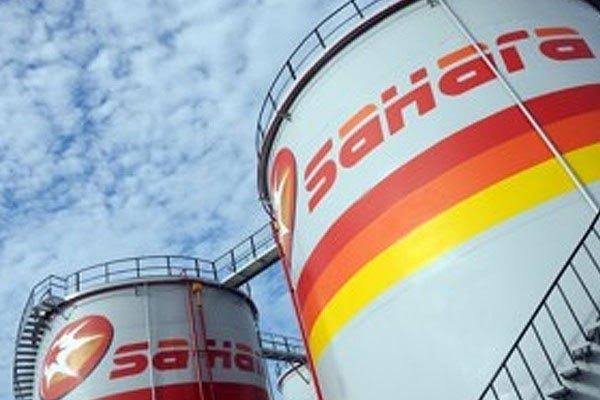
Sahara Group is investing in a 30,000-metric-tonne liquefied petroleum gas (LPG) import, storage and handling terminal in Mombasa, Kenya, as it seeks to expand access to cleaner cooking energy for 10 million households by 2028. The project, being developed through its subsidiary, Asharami Synergy Kenya Limited, is located at Changamwe in Mombasa and is expected to be completed in 2028.

According to a statement by Sahara Group, the facility will strengthen Kenya’s LPG supply chain, support the country’s clean-cooking ambitions and position Mombasa as a regional distribution hub for East and Central Africa.
The proposed facility will occupy 23.19 acres within the Kenya Petroleum Refineries Limited (KPRL) site. It is expected to support Kenya’s LPG Growth Strategy by increasing storage capacity and improving the efficiency of gas imports and distribution.
Speaking at the groundbreaking ceremony, Bayo Sotomi, Country Manager of Asharami Synergy Kenya, said the additional capacity would enable the country to receive larger LPG cargoes, improve vessel discharge efficiency and reduce shipping and demurrage costs.
He said the investment would also improve access to cleaner cooking energy while reducing dependence on traditional fuels such as firewood and charcoal. “The 30,000-metric-tonne LPG storage facility is a major economic boost that will accelerate the energy supply chain. It will ensure lower prices for distribution of clean energy in schools and hospitals and restore forests from firewood cutting,” Sotomi said.
He added that Asharami would collaborate with the government, regulatory authorities and local technical institutions to create opportunities for internships, industrial attachments and training in LPG handling, engineering and safety.
Beyond the domestic market, the terminal is expected to serve as a distribution gateway for neighbouring countries, including Uganda, Rwanda, Burundi, South Sudan and eastern Democratic Republic of Congo.
Also speaking at the ceremony, Harsama Kello, Principal Secretary, State Department for Petroleum, described the investment as an important development for Kenya’s energy supply chain.
Kello said about 70 per cent of Kenyans still depended on kerosene, charcoal and firewood for cooking, noting that the government was implementing its National LPG Growth Strategy Programme to accelerate the transition to cleaner energy.
He said the project would generate employment for residents of Changamwe while helping to improve LPG availability and affordability. “By 2028, we want to make that a reality in homes. Launching Asharami LPG is one of the plans to make Kenya self-sufficient in gas supply,” he said.
Tom Mailu, General Manager of Kenya Petroleum Refineries Limited, said the project would comply with environmental requirements and deliver benefits to surrounding communities. He put the expected project implementation period at 24 months.
KPRL Board Chair, Lillian Mahiri Zaja, said the investment would also contribute to protecting the company’s assets, adding that infrastructure development was critical to the future of the energy sector.
Similarly, Edward Kinyua, Director-General of the Energy and Petroleum Regulatory Authority (EPRA), said the multi-billion-shilling investment would support economic growth and the country’s clean-energy transition.
He highlighted the public health risks associated with indoor air pollution, which he said accounted for an estimated 25,000 deaths, and described the project as part of broader efforts to move households away from biomass fuels towards LPG.