


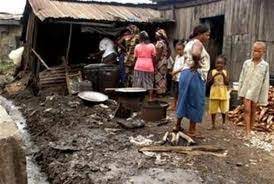

Poverty levels in Nigeria are projected to worsen significantly, with up to 141 million Nigerians, about 62 per cent of the population, expected to be living in poverty by 2026, according to PwC.
The projection is contained in PwC’s Nigeria Economic Outlook 2026, titled “Turning Macroeconomic Stability into Sustainable Growth.”
Despite recent policy measures aimed at stabilising the economy, the report warns that weak real income growth and high living costs are likely to push more households into poverty over the next two years.
PwC estimates that Nigeria’s poverty rate will rise to 62 per cent by 2026, driven by sluggish income growth and persistent inflationary pressures.
“Poverty is projected to rise to 62 per cent (141 million people) by 2026, reflecting weak real income growth and lingering inflation effects,” the report stated.
While inflation may gradually ease, PwC noted that the underlying cost structure of the economy means households are unlikely to feel meaningful relief in the short term.
The report identified food inflation as a key driver of worsening poverty. Food accounts for up to 70 per cent of total consumption among low-income households, making them especially vulnerable to rising prices.
PwC added that high energy costs, logistics expenses and exchange-rate pass-through effects will continue to keep food and essential goods prices elevated, even if headline inflation moderates.
PwC warned that rising poverty poses serious risks to Nigeria’s economic stability, as it could weaken consumer spending, reduce productivity and place additional pressure on public finances.
Without stronger job creation, productivity growth and effective social protection, the firm cautioned that poverty reduction efforts may remain limited.
The firm recommends a multi-pronged approach, including sustained macroeconomic stability, reforms to food supply systems, and increased investment in agriculture and logistics to cushion households and support inclusive growth.

