


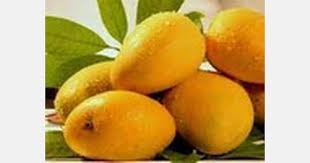
Nigeria’s mango industry could be on the verge of significant growth as the National Horticultural Research Institute (NIHORT) intensifies efforts to boost production, reduce post-harvest losses, and expand value addition across the mango value chain.

With the global mango trade valued at approximately $4.19 billion, according to Tendata Global Trade Data, NIHORT is positioning Nigeria to capture a larger share of the lucrative market through improved production techniques, indigenous seed development, and processing innovations.
Speaking on the institute’s ongoing interventions, Prof. Muhammed Lawal Atanda, NIHORT Executive Director, described mango as one of the institute’s priority crops because of its enormous potential to create jobs, enhance food security, improve farmers’ incomes, and contribute to economic growth.
“Mango is an important fruit both in Nigeria and globally. NIHORT has focused on two critical areas, production and propagation, as well as post-harvest management and value addition, to maximise the crop’s economic benefits,” Atanda said.
According to Atanda, Nigeria currently cultivates between 120,000 and 130,000 hectares of mango, representing less than 0.2 per cent of the country’s cultivated land area, a figure he said highlights enormous opportunities for expansion.
The institute maintains a germplasm collection of between 25 and 35 mango varieties and provides farmers with rootstocks at subsidised rates to encourage orchard development.
“Mango can thrive in virtually all agro-ecological zones in Nigeria. It is highly adaptable, requires minimal water, and contributes significantly to afforestation and climate resilience,” he noted.
One of the biggest challenges facing Nigeria’s mango industry remains post-harvest waste, especially during peak harvest seasons.
To address this, NIHORT has developed several mango-based products, including juice, puree, flakes, and jam, aimed at extending shelf life and increasing market value.
“In states such as Benue, where mango production is high, huge quantities of fruit are lost during harvest periods. By processing mango into value-added products, we reduce waste and increase farmers’ earnings,” Atanda explained.
He added that processed mango products command better prices and can remain marketable for weeks when properly packaged.

