


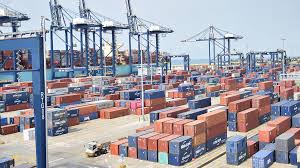
Nigeria’s transport, logistics and supply chain sector has grown to a market value of more than $2.3 billion, driven by infrastructure investments, expanding e-commerce activities and improving cross-border trade relations, industry experts have said.

The sector, which was valued at about $2 billion as of December 2024, has recorded steady growth and is projected to reach $3 billion by 2029.
Dr. Ganiyu Olaogun, a transport and logistics expert, attributed the growth to ongoing investments in critical infrastructure and the increasing adoption of technology across the supply chain ecosystem.
“The sector is currently valued at over $2.3 billion. From a valuation of $2 billion in December 2024, the market has expanded significantly and is expected to hit $3 billion by 2029, growing at an average annual rate of about four per cent,” Olaogun said.
According to him, investments in rail and port infrastructure are helping to address longstanding transportation and logistics bottlenecks, while digital innovations and logistics applications are improving efficiency in delivery networks and supply chain management.
The growth has also been reflected in the rising profile of major operators such as A.P. Moller-Maersk, JOF Nigeria Limited and GIG Logistics, which continue to expand services and improve operational efficiency across the country.
Mr. John Nweke, another industry expert, said the combination of market expansion, technology adoption and improving trade policies has positioned Nigeria’s logistics sector for sustained growth.
“The outlook for the sector remains positive. However, further infrastructure development and regulatory reforms are needed to unlock its full potential and maximise its contribution to economic growth,” Nweke said.
Despite the progress, stakeholders note that significant challenges remain. Poor road networks, unreliable electricity supply, cumbersome customs procedures and outdated port infrastructure continue to increase operating costs and reduce efficiency.
Nweke observed that these challenges have contributed to Nigeria’s relatively low ranking on the World Bank’s Logistics Performance Index, where the country currently occupies the 88th position globally.
“Addressing these barriers will require sustained investment in infrastructure and more efficient government policies. Improving roads, power supply, seaport operations and customs processes is critical to enhancing Nigeria’s competitiveness as a logistics hub,” he said.
The Lagos Chamber of Commerce and Industry (LCCI) has also highlighted the economic cost of logistics inefficiencies, noting that poor infrastructure and supply chain bottlenecks have historically cost businesses billions of naira annually through higher operating expenses and lost productivity.
Industry analysts believe that continued reforms, coupled with targeted investments in transportation infrastructure and digital logistics solutions, could further strengthen the sector’s contribution to trade, commerce and economic growth in the coming years.
