


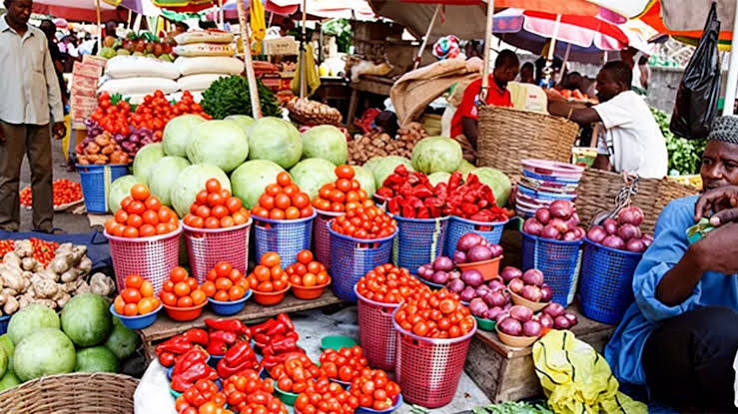
Nigeria spent N3.30 trillion on food and beverage imports in the first half of 2026, driven by a sharp uptick in foreign purchases in the second quarter.
Data compiled from the National Bureau of Statistics Foreign Trade Reports shows that while import expenditure stood at N1.39 trillion in the first quarter, it expanded to N1.91 trillion in the second quarter. Despite the strong second-quarter rise, the total half-year spend represents a 3.1 per cent decrease compared to the N3.40 trillion recorded in the first half of 2025.
The surge in second-quarter imports was distributed across both raw agricultural commodities and finished consumer goods. Primary food imports totaled N1.58 trillion over the six-month period, with household-oriented primary products rising from N280.81 billion in the first quarter to N531.12 billion in the second. Processed food and beverages accounted for N1.72 trillion of the total bill, with processed consumer goods taking up N934.78 billion.
The high import bill reflects ongoing pressure on domestic food supply chains, currency fluctuations, and international commodity prices. Nigeria’s total food import bill previously hit N7.65 trillion in 2025, up from N6.58 trillion in 2024 and N3.83 trillion in 2023.
This sustained dependence on imported food coincides with growing warnings regarding domestic food security. The United Nations Food and Agriculture Organisation recently estimated that up to 34.7 million Nigerians could face acute food insecurity during the upcoming lean season. Elevated production costs, widespread insecurity in key agricultural zones across the North-Central and North-West regions, and high post-harvest losses continue to disrupt local farming, forcing greater reliance on international markets to bridge the supply gap.


