The Nigerian Railway Corporation (NRC) has unveiled plans to transition its rail network to electric-powered trains within five years, as part of its long-term development framework, Vision 2-5-10-20.

The announcement was made by Dr. Kayode Opeifa, NRC Managing Director/CEO, at the Seventh National Transport Conference of the Chartered Institute of Transport Administration (CIOTA) held in Abuja.
Under the plan, the NRC will optimise existing rail assets within two years, adopt electric traction in five years, double rail capacity in ten years, and expand the network to 60,000 kilometres nationwide within 20 years.
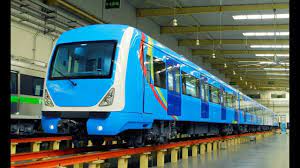
Currently, Nigeria’s only operational electric rail is the Lagos Blue Line, part of the Lagos Rail Mass Transit system. The 27-kilometre route began partial operations in 2023 and is expected to be fully completed by 2026.
Dr. Opeifa also disclosed that the Federal Government will soon launch a National Railway Development Roadmap to ensure rail connectivity across all 36 states and the FCT. The roadmap, aligned with the Renewed Hope agenda, will allow states to utilise national rail corridors at no additional cost, following legislative reforms placing rail development on the concurrent list.
He added that Lagos and Plateau States are already leveraging these corridors, while Ogun, Oyo, Edo, Delta, Kogi, Kaduna, Kano, and Niger States are next in line for integration.
The NRC is also expanding freight-by-rail services for containerised goods, cement, and materials for the AKK Pipeline Project, aimed at easing road congestion and driving economic growth.
The roadmap envisions a modern, sustainable rail system powered by electricity, enhancing efficiency, cutting emissions, and strengthening connectivity nationwide.