


Nigeria plans to establish a central investor desk within the Federal Ministry of Finance in 2026 as part of a renewed push to attract capital inflows and rebuild investor confidence after years of macroeconomic volatility.

The proposed desk will serve as a single point of contact between the government and domestic and foreign investors, development finance institutions, credit rating agencies, and market analysts, according to a policy statement released by the Ministry of Finance on Thursday.
Officials say the initiative is aimed at tackling one of investors’ long-standing concerns about Nigeria: fragmented communication and inconsistent policy signals across government institutions.
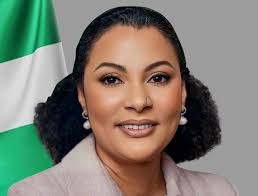
“To deepen investor confidence, improve transparency, and ensure sustained engagement with domestic and international capital providers, the Federal Government will establish a central investor desk housed within the Federal Ministry of Finance,” said Doris Uzoka-Anite, Minister of State for Finance.
She explained that the desk will prioritise consistent communication, timely disclosure, and proactive engagement on macroeconomic policy, reform implementation, and investment execution.
The move forms part of the government’s broader 2026 economic agenda, which seeks to shift Nigeria from a period of stabilisation into one of expansion, following two years of sweeping but disruptive reforms under President Bola Tinubu.
Those reforms, including exchange-rate unification, energy market restructuring, and fiscal tightening, helped correct long-standing economic distortions but dampened growth and investor sentiment in the short term. With inflation beginning to ease and economic growth gradually recovering, the government is now focused on reassuring investors that policy risks are declining and execution capacity is improving.
Officials say the investor desk will play a coordinating role in rebuilding trust by ensuring that investors receive clear, timely, and credible information on Nigeria’s economic direction.
The platform will also work closely with the Disinflation and Growth Acceleration Strategy (DGAS), a joint framework involving the Ministry of Finance, the Central Bank of Nigeria, and other agencies to better align fiscal and monetary policy.
Authorities plan to operationalise DGAS and roll out a new development finance strategy in the first quarter of 2026, measures they say will provide greater clarity on how reforms translate into bankable investment opportunities.
Beyond policy communication, the investor desk is expected to support deal origination and execution. Engagements coordinated through the platform will focus on building investment pipelines, deploying blended finance solutions, and accelerating projects in priority sectors such as energy, agribusiness, manufacturing, housing, healthcare, digital services, and solid minerals.
Nigeria is betting that clearer pathways from policy to projects will help unlock long-term capital at a time of intensifying global competition for investment. Government estimates suggest the country will require about ₦246 trillion in long-term financing through 2036 to meet its growth targets, including the ambition of expanding gross domestic product to $1 trillion within a decade.
To support this goal, the administration plans to deepen local capital markets, increase pension and insurance sector participation in infrastructure financing, and strengthen development finance institutions such as the Bank of Industry and the Nigerian Export-Import Bank.
Fiscal transparency and cash management reforms also form a core part of the confidence-building strategy. New tax laws that took effect on January 1, alongside a federal revenue optimisation platform, are expected to improve compliance, boost non-oil revenues, and provide investors with clearer visibility into public finances.
The government has additionally pledged to restructure domestic debt to reduce short-term interest costs and ease pressure on financial markets.
Uzoka-Anite said the administration recognises that credibility will ultimately depend on delivery, not declarations. By centralising investor engagement and aligning it with macroeconomic coordination and development finance, the government hopes to convert Nigeria’s reform momentum and economic scale into sustained capital inflows, job creation, and faster growth from 2026 onward.

