The Federal Government has approved a wage increase of over 150 per cent for Nigerian seafarers, alongside officially launching a new digitised Seafarers’ Discharge Book platform.

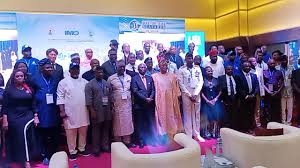
The developments were unveiled by the Nigerian Maritime Administration and Safety Agency (NIMASA) during the 2026 Day of the Seafarer celebration in Lagos. The initiatives aim to strengthen the country’s maritime workforce, modernise administrative systems, and position local seafarers for global career opportunities.
Dr. Dayo Mobereola, NIMASA Director-General, revealed that the National Joint Industrial Council successfully incorporated the International Transport Workers’ Federation (ITF) and International Labour Organisation (ILO) wage scales into the conditions of service for Nigerian seafarers. This integration directly resulted in a salary boost of over 150 per cent.
Mobereola also announced that NIMASA’s digitised Seafarers’ Discharge Book has gone live. Part of a wider digital transformation program, the platform is designed to improve transparency, enhance efficiency, and align Nigeria’s maritime record-keeping with global best practices.
Additionally, Mobereola noted that over 2,459 cadets have been trained or are currently undergoing training under the Nigerian Seafarers Development Programme (NSDP) to improve the sector’s competitiveness.
Speaking on behalf of Dr. Adegboyega Oyetola, Minister of Marine and Blue Economy, Musa Makoji, the ministry’s Executive Director of Marine Safety and Security, disclosed advanced plans to establish a national shipping carrier via a Public-Private Partnership (PPP) model.
The carrier is expected to expand indigenous participation in international shipping, provide critical sea-time training placements for cadets, and curb the massive capital flight stemming from Nigeria’s heavy reliance on foreign shipping lines. Oyetola acknowledged that access to sea-time training remains a major barrier for aspiring mariners and assured stakeholders that the government is actively collaborating with industry players to secure more cadet berths.
The event, themed “Carrying World Trade, Carrying the Risk,” brought together maritime stakeholders who underscored the growing dangers seafarers face. In a virtual goodwill message, the Secretary-General of the International Maritime Organisation (IMO), Arsenio Domínguez, highlighted that crew members are increasingly exposed to geopolitical conflicts in volatile regions like the Red Sea, Black Sea, and Strait of Hormuz. Domínguez stressed that the safety of seafarers must remain a global priority.
Legislative leaders, including Senator Wasiu Eshilokun, Chairman of the Senate Committee on Marine Transport, and Uduak Odudoh, Deputy Chairman of the House Committee on Maritime Safety, pledged the National Assembly’s continuous support. They committed to backing policies that modernise port infrastructure, enhance maritime education, and protect the rights of the workforce responsible for moving more than 90 per cent of Nigeria’s international trade.
Further support was echoed by Dr. Kevin Okonna of the Maritime Academy of Nigeria (MAN), Oron, and Senior Advocate Mike Igbokwe of the Nigerian Maritime Law Association, who both called for sustained investments to safeguard the dignity, health, and professional progression of the nation’s seafarers.