


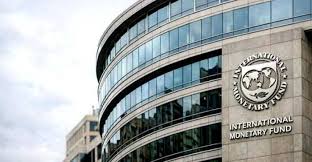
The International Monetary Fund (IMF) has cautioned Nigeria against proceeding with a proposed $5 billion financing arrangement involving First Abu Dhabi Bank, warning that the structure lacks transparency and could create additional debt-management risks for the country.

The warning comes even as the IMF praised the economic reforms introduced by President Bola Tinubu’s administration since 2023, noting that they have helped stabilise the economy, strengthen investor confidence, and improve macroeconomic conditions.
Speaking during a media briefing, Christian Ebeke, IMF Mission Chief for Nigeria, expressed concerns about the planned transaction, which is structured as a Total Return Swap (TRS). He noted that similar financing instruments used by some countries have often been opaque and difficult to manage.
According to the IMF, Nigeria would be better served exploring more conventional funding options such as Eurobonds or concessional loans, which are generally more transparent and come with clearer financing terms.
The Nigerian Senate approved the derivatives-based financing arrangement in April, placing Nigeria among a growing number of African countries, including Senegal and Angola, that have turned to alternative funding mechanisms to meet fiscal needs.
The Federal Government plans to use proceeds from the transaction to refinance expensive debt obligations and fund key infrastructure projects.
The IMF’s warning comes at a time when Nigeria’s public debt continues to rise sharply.
Data from the Debt Management Office (DMO) shows that Nigeria’s total public debt exceeded ₦149 trillion at the end of the first quarter of 2026, driven by persistent fiscal deficits, exchange-rate pressures, and increasing borrowing requirements.
Debt servicing has become one of the largest items in the federal budget, consuming a significant share of government revenue and reducing resources available for critical sectors such as healthcare, education, infrastructure, and social welfare.
While the Tinubu administration’s reforms, including fuel subsidy removal, foreign exchange liberalisation, and tighter monetary policies, have improved macroeconomic indicators, many Nigerians continue to grapple with rising living costs, poverty, and food insecurity.
The IMF observed that although the reforms have strengthened external reserves and improved economic management, the benefits have yet to translate into meaningful improvements in household welfare.
According to the Fund, about 63 per cent of Nigerians currently live in poverty, underscoring the gap between economic stabilisation and everyday living conditions.

