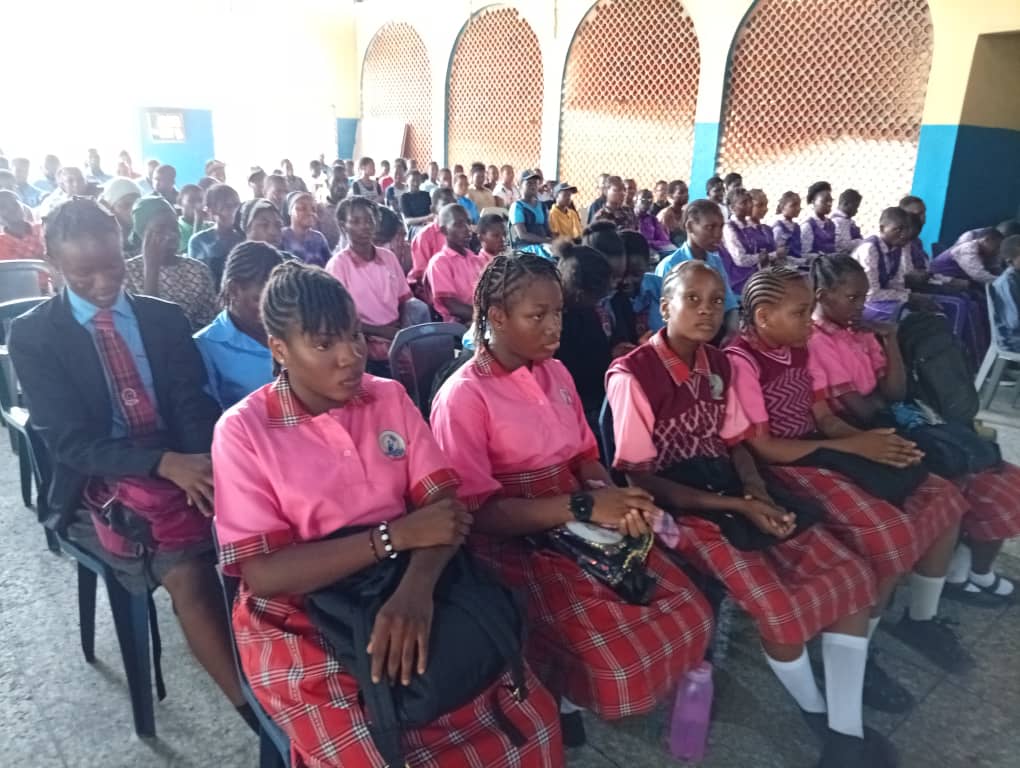
…From artificial intelligence and digital income generation to mentorship, faith and business fundamentals, the Oselobua Family Foundation’s (OSEFAFO) three-day entrepreneurship programme challenged young people to turn ideas into practical solutions and sustainable businesses.

To have a business idea is exciting. But turning that idea into a successful enterprise requires something far more demanding: preparation, skills, discipline, resilience, and the ability to recognise opportunities where others see problems.
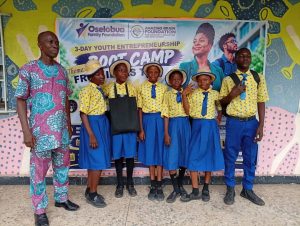
This was the central message at the 2026 Youth Entrepreneurship Boot Camp 2.0, organised by the Oselobua Family Foundation from November 4 to 6, under the theme, From Ideas to Impact: Launching Tomorrow’s Enterprises Today.
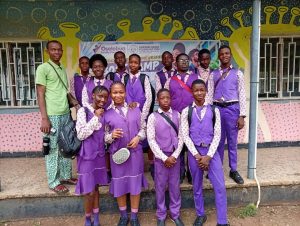
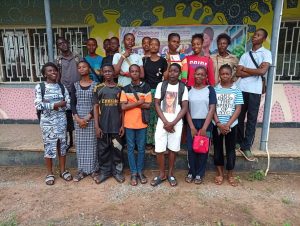
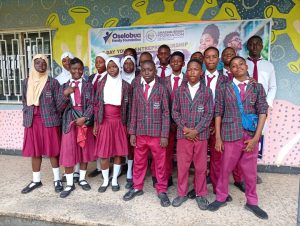
Designed to equip 200 young people with practical entrepreneurial knowledge, in-demand digital skills and direct mentorship, the three-day programme brought together students, aspiring entrepreneurs, innovators, creative writers and other young people seeking to develop the capacity to participate meaningfully in a changing economy.
With its focus on artificial intelligence, digital income generation, business development and personal effectiveness, the initiative sought to address a fundamental challenge confronting many young Nigerians: the gap between having ideas and possessing the capacity to turn them into economic opportunities.
Opportunities are closer than we think
Opening the programme, Godwin Ihansekhien, Chairman of OSEFAFO, reminded participants that having an idea was only the beginning of the entrepreneurial journey. Creativity and preparation, he stressed, were equally important.
He encouraged young people to pay closer attention to their environment and identify opportunities within the challenges confronting their communities. His message underscored a fundamental principle of entrepreneurship: problems can become business opportunities when approached with curiosity, creativity and a willingness to develop solutions.
A challenge faced by small retailers, for instance, could inspire a digital inventory solution. Difficulties in food distribution could create opportunities for a logistics business, while gaps in access to education could provide the foundation for an innovative learning platform.
The lesson is that entrepreneurs must learn to observe, ask questions and understand people’s needs rather than wait for someone to present them with an opportunity.
Starting small, with purpose and faith
Taiwo Shekoni, Guest Speaker, approached entrepreneurship from the perspective of purpose, discipline and spirituality. Speaking on The Power of Starting Small and Progressing in the Fear of God, he urged participants to be intentional about their lives and ambitions, emphasising the importance of seeking divine direction.
In a world crowded with competing voices, distractions and pressures, he advised young people to shut down the noise to hear the still, small voice of God. He encouraged them to ask fundamental questions about their lives, including what God wanted them to accomplish.
Shekoni outlined five important principles for personal and entrepreneurial growth.
First, be intentional about the direction of your life. Second, shut down distractions that prevent you from identifying meaningful opportunities. Third, pursue ideas that align with your purpose. Fourth, develop the capacity, skills and competence required to execute those ideas. Finally, be deliberate about relationships and distance yourself from miserable companions who could undermine personal growth.
His message was that starting small should never be an excuse for thinking small. What matters is having direction, developing capacity and remaining committed to the process.
The making of great achievers
Odio Esugo, Special Guest of Honour, examined the qualities that distinguish achievers and the journey towards meaningful success. Speaking on The Making of Great Achievers and the Journey to the Pinnacle of Success, he identified vision as the starting point.
A vision, he explained, is a clear understanding of what an individual wants to accomplish in life. Without it, young people risk moving from one opportunity to another without a definite destination. He also highlighted the importance of developing the right mindset and acquiring core skills that can translate ambition into tangible results.
Among the habits he encouraged participants to cultivate were curiosity, resilience, networking and consistency.
Curiosity drives learning and encourages people to ask questions. Resilience enables individuals to withstand setbacks, while networking provides access to relationships, knowledge and opportunities. Consistency ensures that efforts are sustained beyond the excitement of starting something new.
Esugo also emphasised mentorship and the God factor as important elements of the journey to success.
His presentation reinforced the understanding that achievement is not simply about talent or ambition. It requires continuous personal development, the right relationships and the discipline to remain focused on long-term objectives.
Entrepreneurship is not a get-rich-quick scheme
Michael Olorunfemi brought a practical business perspective to the discussions, sharing good practices drawn from Rotary and highlighting the relationship between entrepreneurship and economic growth.
He challenged the perception that entrepreneurship offers an easy or immediate route to wealth, stressing that building a business is rarely a linear process. Entrepreneurs encounter setbacks, competition, changing customer preferences and unexpected market disruptions. Their ability to recognise change and respond effectively can determine whether their businesses survive and grow.
Olorunfemi also broadened the understanding of entrepreneurship by introducing the concept of intrapreneurship. He explained that people working in conventional nine-to-five jobs could apply entrepreneurial principles within their organisations by identifying problems, improving processes and developing innovative solutions.
This means entrepreneurial thinking is not restricted to business owners. Employees who demonstrate initiative, creativity and problem-solving abilities can also create significant value within established organisations.
He particularly emphasised the importance of recognising and taking advantage of change, noting that disruption was inevitable, but who gets to become the disruptor remains an open opportunity.
AI is changing the entrepreneurial landscape
Artificial intelligence and emerging digital technologies featured prominently in the boot camp’s curriculum. Participants were introduced to the possibilities of using AI to improve productivity and creativity, alongside practical pathways to generating income through e-commerce, freelancing and other digital ventures.
Olorunfemi observed that AI had democratised access to knowledge, creating opportunities for individuals and small businesses to accomplish tasks that previously required substantial resources.
Entrepreneurs can leverage AI for market research, product development, identifying customer needs, generating business ideas and improving marketing efforts.
For a young entrepreneur with limited resources, these tools can reduce the cost of experimentation and improve access to information.
A freelance professional can use AI to improve productivity and explore new markets. A small business owner can develop marketing content, understand customer preferences and improve communication. An aspiring entrepreneur can investigate a market gap before committing resources to a new product.
However, technology alone does not guarantee success. The entrepreneur must understand the problem, develop an appropriate solution and deliver value to customers.
The real advantage lies not simply in knowing how to use AI but in understanding what to use it for.
Turning ideas into sustainable businesses
Beyond digital skills, the boot camp addressed essential business foundations, including financial literacy, business planning and product development.
These competencies are particularly important because many promising businesses struggle not necessarily because their ideas are poor, but because their founders lack the knowledge required to manage costs, price products, understand cash flow and attract customers.
Market research, for instance, helps entrepreneurs establish whether a product or service addresses a genuine need and whether potential customers are willing to pay for it. Financial literacy helps them understand the relationship between revenue, expenses, investment and profitability, while business planning provides a framework for setting objectives and measuring progress.
For young people seeking to build sustainable enterprises, these are not optional extras. They are essential survival skills.
Beyond the three days
The significance of the Oselobua Family Foundation’s initiative extends beyond the participants who attended the programme.
Nigeria needs a generation of young people capable of creating opportunities, developing solutions and contributing to economic growth. While paid employment remains important, entrepreneurship and innovation can provide additional pathways to productive participation in the economy.
However, encouraging young people to start businesses must go beyond motivational speeches. They also need access to affordable finance, reliable electricity, digital infrastructure, markets, mentorship and an enabling business environment.
The real test of the boot camp will therefore be what participants do with the knowledge acquired. Will they develop business plans, launch digital ventures, acquire marketable skills or apply entrepreneurial thinking within their workplaces?
Will the mentorship relationships continue beyond the training?
These are important considerations for measuring the programme’s long-term impact.
Ultimately, the message from the 2026 Youth Entrepreneurship Boot Camp was clear: identify a problem, develop a solution, build the capacity to execute and remain consistent.
Ideas may inspire, but execution creates impact. Tomorrow’s successful enterprises will belong to those willing to start today, learn continuously and turn possibilities into practical solutions.