


Google is planning a future in which smartphones do more than respond to commands – they could take on everyday tasks for users with little or no supervision.

Sameer Samat, president of Google’s Android ecosystem, said the company is developing Android around a vision where users can simply state what they want to achieve and allow AI to handle the steps required to get it done.
The vision is emerging as Google and other technology companies race to make AI agents a central part of smartphones.
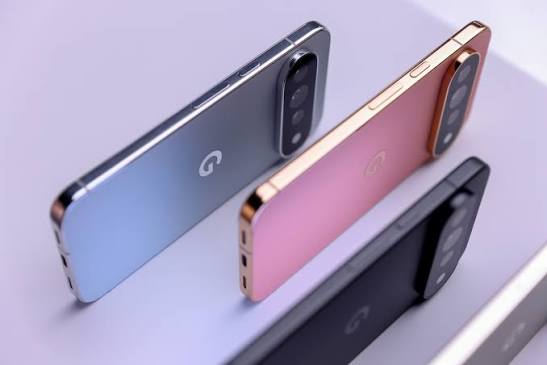
Google’s latest Pixel 11 devices offer a glimpse of that direction, with new features designed to make interactions with AI assistants more natural and less dependent on users constantly checking their screens.
According to Samat, the future of Android is about allowing users to articulate goals rather than micromanage their phones.
For example, an AI agent could eventually review notes from a doctor’s appointment, check insurance coverage and arrange an MRI appointment on the user’s behalf.
Such a system is not yet available on Android, but Google wants its software to move towards this model.
Samat said the goal is to give users back some of the time they currently spend navigating apps and performing routine tasks. “If you can give people that time back, five minutes a day, 10 minutes a day, 30 minutes a day, think what you can do with that.”
Google’s strategy is significant because Android powers more than 70 per cent of smartphones globally, according to industry estimates cited by CNN.
Google has introduced several features aimed at making AI interactions less intrusive.
On the Pixel 11 Pro, a new light on the back of the device indicates when Gemini is processing a command or responding.
Google hopes the feature will allow users to interact with the AI assistant without constantly picking up their phones to check whether it is listening or processing a request.
The company is also introducing Rambler, an AI-powered tool that processes speech, cleans it up and converts it into polished text or email.
The system is designed to remove verbal fillers such as “um” and “like”, making spoken messages easier to send and share.
Another Android feature, Halo, is expected later this year and will allow users to see an AI agent’s progress as it works through a task.
Google’s push comes as major technology companies compete to reshape the smartphone experience around AI.
Samsung has partnered with Google to integrate Gemini deeply into its devices, while Apple is preparing an updated Siri capable of performing tasks across applications and using personal information to provide more useful responses.
OpenAI is also expanding ChatGPT’s capabilities as competition intensifies over how consumers interact with AI.
The battle is no longer simply about which company has the best smartphone. It is increasingly about which AI assistant becomes the main gateway to users’ digital lives.
Samat acknowledged that the technology is still developing and that the term “AI” encompasses many different technologies.
He said Google’s focus should ultimately be on whether the technology is genuinely useful to people. “Instead of talking about the tech, I think one of the things that’s been much more of a focus for us is… ‘How does it actually help you?’”
Google’s long-term vision could fundamentally change how people use smartphones.
Instead of opening multiple apps, searching for information, typing messages and completing tasks manually, users could increasingly tell their phones what they want and allow AI to handle the process.
If Google and its competitors succeed, the next generation of smartphones may be defined less by their screens and more by how intelligently they can act on their owners’ behalf.
The bigger question, however, is whether consumers will trust AI enough to hand over that level of control.

