


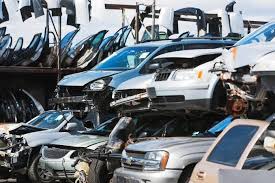
The Federal Government could generate about ₦150 billion annually from its proposed End-of-Life Vehicle (ELV) policy, according to Joseph Osanipin, Director-General of the National Automotive Design and Development Council (NADDC). .

Osanipin disclosed this during a media briefing in Abuja, explaining that the revenue would come from recycling vehicle parts and recovering usable components from vehicles that are no longer roadworthy.
He said the ELV policy is designed to establish a structured system for the safe dismantling, recycling, and recovery of old vehicles, noting that more than 85 per cent of components from end-of-life vehicles are reusable or recyclable, yet are currently wasted.
Under the proposed framework, vehicle owners would eventually pay a modest fee at the point of registration, which would fund an ecosystem dedicated to environmentally safe vehicle disposal.
Rather than abandoning broken-down vehicles on roadsides, Osanipin said owners would be encouraged to turn them in, creating value while improving environmental outcomes.
He added that the ELV policy would drive a circular economy worth billions of naira, stimulate the second-hand auto parts market, and create jobs nationwide. According to him, environmental protection and public health are the primary motivations behind the initiative.
While acknowledging that the introduction of small fees may face resistance, Osanipin assured that public awareness campaigns would be intensified to help Nigerians understand the long-term benefits of the policy.

