
The Federal Government has identified post-harvest losses as a critical pressure point in Nigeria’s food system, stating that reducing wastage by just 10 per cent could significantly improve food availability and affordability.

Speaking at the 2026 Post-Harvest Connect and Root, Tuber, and Banana Conference in Abuja, Abdullahi Aliyu, Minister of State for Agriculture and Food Security, said the country continues to lose a substantial portion of its agricultural output due to weak storage and poor post-harvest management.
According to him, farmers lose between 30% and 40% of their produce on average, with losses rising to as much as 60 per cent to 70 per cent for fruits and vegetables. He described the scale of wastage as unsustainable, particularly at a time when food prices remain elevated.
Aliyu noted that even a modest reduction in losses could have a meaningful impact on supply levels. “If we reduce post-harvest losses by just 10%, more food will be available, and this will ultimately drive down prices,” he said.
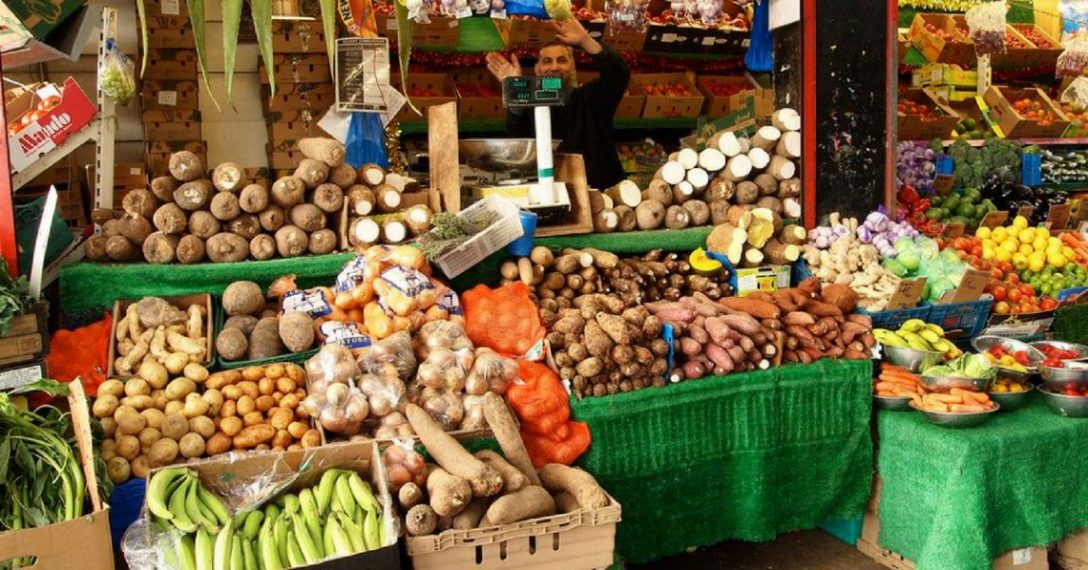
Despite Nigeria’s position as a leading global producer of root and tuber crops, harvesting over 60 million tonnes of cassava and yam annually, much of this output fails to reach consumers due to inadequate storage, processing, and transportation infrastructure.
The issue is contributing to broader inflationary pressures. Data show that headline inflation rose to 15.38 per cent in March 2026, driven largely by rising food costs, with both urban and rural areas experiencing significant price increases.
At the conference, organised by the Nigerian Stored Produce Research Institute (NSPRI), stakeholders emphasised the need to scale up post-harvest technologies and strengthen value chains.
Lateef Sanni, the institute’s Executive Director, said Nigeria’s strong production base presents a major economic opportunity, but warned that it will remain underutilised without better preservation and processing systems.
He called for deeper collaboration between government, the private sector, and financial institutions, stressing that sustainable solutions require investment in storage infrastructure, logistics, and post-harvest financing.
Experts at the event agreed that tackling post-harvest losses is essential to achieving food security, noting that increasing production alone is not enough if a significant share of output is lost before reaching the market.
With food inflation continuing to strain household incomes, policymakers are increasingly being urged to shift focus from short-term interventions to structural reforms that improve efficiency across the agricultural value chain.