
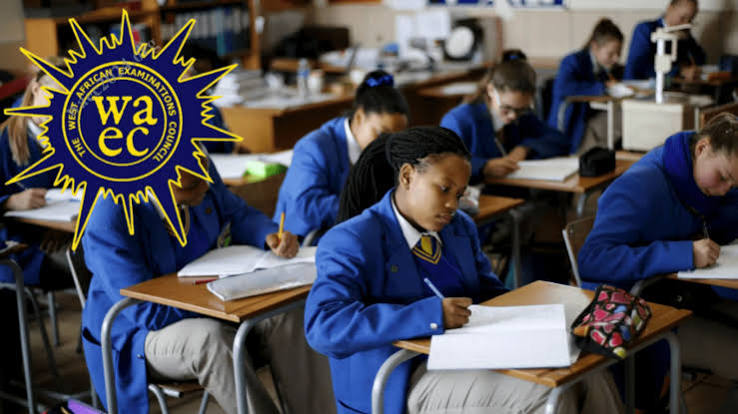
The Federal Government has suspended the proposed increase in registration fees for the 2027 West African Senior School Certificate Examination (WASSCE) and the National Examinations Council (NECO) Senior School Certificate Examination following widespread criticism from parents, students and education stakeholders.

The Federal Ministry of Education announced on Monday that it had withdrawn its June 18, 2026, circular proposing the fee adjustment to allow for broader consultations before any final decision is made.
In a statement signed by the ministry’s Director of Press and Public Relations, Folasade Boriowo, the government said the suspension was approved by Dr. Tunji Alausa, the Minister of Education, in line with its commitment to transparent, inclusive and evidence-based policymaking.
“The letter conveying the proposed fee adjustment, dated June 18, 2026, has been withdrawn to allow for a comprehensive review and broader consultations with all relevant stakeholders before a final decision is taken,” the statement said.
The proposed increase, which would have raised examination registration fees from N27,000 to N50,000, sparked strong opposition from students, parents, civil society groups and education advocates, who warned that the hike would further limit access to secondary education amid rising living costs.
The ministry acknowledged the public concerns, describing the feedback as a reflection of Nigerians’ commitment to ensuring affordable and quality education.
It explained that the proposed review was necessitated by the rising cost of conducting national examinations, including increased spending on logistics, security, printing of examination materials, technology deployment and quality assurance.
Despite these challenges, the government said it would not proceed with the increase until extensive consultations had been held with examination bodies, state ministries of education, school owners, parents’ associations, labour unions and other key stakeholders.
According to the ministry, the consultation process is intended to produce a fee structure that is fair, transparent, financially sustainable and sensitive to prevailing economic realities without restricting access to education.
The ministry reaffirmed that student welfare and equitable access to education remain central to the Federal Government’s education reform agenda.
Opposition welcomes reversal
Former Vice President Atiku Abubakar welcomed the suspension but criticised the government for introducing the proposal without adequate consultation.
In a statement issued by his media aide, Phrank Shaibu, Atiku described the reversal as a victory for parents, students, labour unions and civil society groups who opposed the planned increase.
He argued that the government should engage stakeholders before announcing policies rather than reversing them after public backlash.
Similarly, Labour Party presidential candidate Peter Obi described the suspension as a victory for Nigerians, insisting that education should remain affordable, particularly at a time when many families are struggling with rising inflation and declining purchasing power.
Obi said expanding access to education should take priority over increasing the financial burden on households, noting that education is a public good rather than a source of government revenue.
The Federal Government said the existing examination fees remain in place pending the outcome of the stakeholder consultations.