


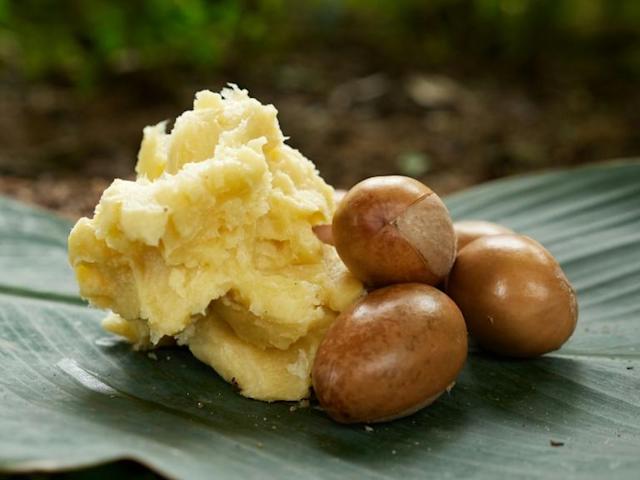

The Federal Government has extended its ban on the export of raw shea nuts by one year, shifting the deadline from February 26, 2026, to February 25, 2027, in a move aimed at strengthening Nigeria’s domestic processing industry and increasing value addition.
The decision, approved by President Bola Tinubu, was announced on Wednesday, just hours before the initial six-month emergency ban, introduced on August 26, 2025, was set to expire.
According to Bayo Onanuga, Special Adviser to the President on Information and Strategy, the extension aligns with the administration’s “Renewed Hope” Agenda, which seeks to reposition Nigeria from a raw commodity exporter to a value-driven industrial economy.
The policy is designed to deepen local processing capacity, encourage investment in shea butter refineries, and shift exports toward higher-margin finished and semi-finished products used in the global cosmetics and food industries.
Key objectives include:
- Expanding domestic refining capacity for shea butter and its derivatives.
- Increasing income opportunities for women and youth in shea-producing communities.
- Boosting export earnings by focusing on processed products rather than raw nuts.
To strengthen implementation, the President has directed a coordinated, multi-agency approach. The Federal Ministry of Industry, Trade and Investment, alongside the Presidential Food Security Coordination Unit (PFSCU), will develop a unified framework linking industrialisation goals with trade and investment strategies across the shea value chain.
A major regulatory adjustment involves the Nigerian Commodity Exchange (NCX), which will now serve as the exclusive channel for exporting any surplus raw shea nuts not processed locally.
All previous export waivers have been revoked, and any approved exports must be routed through the NCX under newly established guidelines.
Recognising that restrictions alone may not drive industry growth, President Tinubu has instructed the Federal Ministry of Finance to establish targeted funding through a Nigerian Export Supervision Scheme (NESS) Support Window.
The funding mechanism will pilot a Livelihood Finance Programme aimed at supporting local producers and processors to scale up operations and meet increased domestic demand.
The policy extension follows consultations with stakeholders, including exporters and foreign exchange analysts. Some experts caution that the ban could result in short-term foreign exchange losses and possible oversupply if local refineries lack sufficient capacity.
However, the government maintains that long-term gains outweigh temporary disruptions. By prioritising domestic manufacturing, Nigeria aims to secure a larger share of the multi-billion-dollar global shea market, much of which currently depends on West African raw materials processed abroad.
Officials say the extended ban signals a firm commitment to industrialisation, local job creation, and sustainable export growth.

