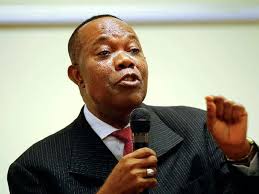
Dr. Emmanuel Ekuwem, Chairman of the Telecom Group and former Secretary to the Akwa Ibom State Government, has called on the Federal Government to establish a dedicated Science, Technology and Innovation Trust Fund to accelerate Nigeria’s advancement in space science and frontier technologies.

Ekuwem made the appeal on Tuesday while delivering a lecture at the 4th Adigun Ade Abiodun Public Lecture held at the University of Lagos. He argued that sustained, targeted funding is essential to unlock Nigeria’s innovation potential and strengthen its position in the global technology landscape.
According to him, a specialised innovation fund would stimulate research-driven enterprises, support breakthrough discoveries and generate technological spinoffs capable of transforming the nation’s economy.
He described expanded investment in space research as a fitting tribute to the late Dr. Adigun Ade Abiodun, a respected Nigerian space scientist and United Nations expert who played a key role in developing space science networks across Africa.
Ekuwem emphasised the need for Nigeria to focus on the local design, construction and launch of satellites, rather than relying heavily on foreign partnerships. Building indigenous capacity, he said, would deepen technical expertise and create employment opportunities for young Nigerians.
“A hungry man is an angry man. An idle mind is the devil’s workshop. How about a hungry idle man?” he asked, highlighting the urgency of tackling youth unemployment through innovation-led development.
He maintained that technological independence is central to genuine national sovereignty.
“When you think of developed countries, you think of science and technological development,” he said. “Political sovereignty is balderdash without technological sovereignty.”
Ekuwem also urged Nigerians to support locally produced goods and services, warning that overdependence on imports continues to weaken domestic industries and put pressure on the naira.
“We can learn from the Asians, who learnt from the Europeans,” he said. “We must not look down on locally manufactured products; practice makes perfect.”
Nigeria currently supports research through the Tertiary Education Trust Fund (TETFund), which finances projects in public tertiary institutions. Recent initiatives include ₦4.2 billion approved in 2024 for 158 research projects under the National Research Fund, as well as the establishment of 18 innovation and entrepreneurship hubs equipped with advanced prototyping facilities.
Nigeria has also contributed $4 million to the Regional Scholarship and Innovation Fund to support PhD training and research across Africa.
Despite these efforts, Ekuwem argued that a dedicated trust fund focused specifically on space science and emerging technologies would ensure consistent, long-term financing for strategic breakthroughs.
Chairman of the event, Professor Peter Olufemi Adeniyi, urged leaders to emulate Dr. Abiodun’s legacy by prioritising national development over personal interests.
Now in its fourth year, the annual lecture continues to celebrate Abiodun’s contributions to Africa’s space science ecosystem.
Ekuwem concluded with a clear message: technological sovereignty is not optional. Strategic investment in homegrown innovation, he said, is critical to Nigeria’s economic transformation — and the time to act is now.