


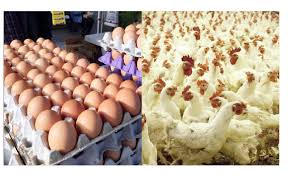
Nigeria is witnessing a sharp rise in egg prices, with a crate now selling for as much as ₦8,500 in some retail outlets, driven by a nationwide shortage of day-old chicks (DOCs) that has disrupted poultry production.

Findings show that farm gate prices have climbed to about ₦5,500 per crate, up from ₦5,000 in January 2026. At the retail level, eggs now sell between ₦6,000 and ₦6,500 depending on size, while supermarkets and large grocery stores charge between ₦7,000 and ₦8,500, reflecting rising logistics and operating costs.
Industry stakeholders identify the shortage of DOCs, a key input in egg production, as the major factor behind the tightening supply. According to the Poultry Association of Nigeria, hatcheries are fully booked months ahead, leaving farmers unable to restock after selling off aging birds.
Chairman of PAN’s Lagos chapter, Mojeed Iyiola, said farmers are currently unable to secure bookings for DOCs until late 2026, with waiting periods stretching up to six months. This has created a production gap, as new chicks take several months to reach egg-laying maturity.
The cost of DOCs has also surged sharply, rising from about ₦1,800 last year to nearly ₦3,300, further squeezing farmers’ margins and discouraging expansion.
Stakeholders blame the supply bottleneck on regulatory constraints, particularly limited government licences for importing parent stock, the breeding birds used by hatcheries. They are calling on the Federal Government to expand import licences or allow direct importation of DOCs to stabilise supply.
The impact is spreading across the value chain. Distributors say rising transportation costs, worsened by higher fuel prices, are adding to price pressures, pushing retail costs even higher.
Consumers are already feeling the strain, with many households reporting reduced access to eggs—traditionally one of the most affordable sources of protein. Prices have climbed steadily since the start of the year, with no immediate relief in sight.
The development comes amid broader concerns in the poultry sector. Industry players have also raised questions about a proposed $900 million government-backed investment in partnership with China, warning that without addressing structural challenges such as access to inputs, such interventions may not deliver sustainable growth.
While the government projects the initiative as a boost to domestic production, targeting up to six million eggs daily, stakeholders insist that resolving supply bottlenecks remains critical to stabilising prices and ensuring food security.

