
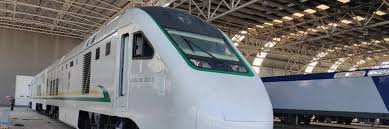
The tragic derailment of the Warri–Itakpe Train Service near Agbor, Delta State, which claimed four lives and left 24 passengers seriously injured, is yet another painful reminder that Nigeria’s railway sector still faces deep-rooted safety and operational challenges.

While the swift response of emergency agencies deserves commendation, condolences alone will not solve the recurring problems confronting the nation’s rail transport system. What Nigerians need now is a transparent investigation, accountability where necessary, and a clear roadmap to prevent future tragedies.
The Warri-Itakpe rail corridor occupies a strategic position in Nigeria’s transportation network. It is one of the country’s most important standard gauge rail lines, connecting industrial and mining hubs while providing an affordable alternative to road transportation. Unfortunately, the corridor has experienced a troubling pattern of disruptions in recent years, including technical faults, locomotive failures, service suspensions, and derailments.
This latest accident raises difficult but necessary questions. How could four coaches capsize and another derail on a route that had recently undergone safety assessments? Were there warning signs that were overlooked? Was the accident caused by track defects, equipment failure, excessive speed, human error, sabotage, or a combination of factors?
The public deserves answers.
A credible investigation must go beyond routine internal reviews. The Federal Government should constitute an independent panel comprising railway engineers, safety experts, transportation economists, labour representatives, and international rail safety specialists where necessary. Such a panel should have the mandate to examine every aspect of the incident, including track conditions, rolling stock maintenance records, signalling systems, operational procedures, staff training, emergency preparedness, and possible acts of vandalism.
Importantly, the findings should be made public. Transparency builds confidence. Secrecy breeds suspicion.
The accident also exposes a broader challenge facing Nigeria’s railway modernisation programme. Billions of naira have been invested in rail infrastructure over the past decade, yet safety incidents continue to occur across various corridors. Investment in infrastructure must be matched by investment in maintenance, safety culture, technology, and personnel development.
Modern railway systems around the world rely heavily on technology-driven safety mechanisms. Nigeria should accelerate the deployment of automated track monitoring systems, real-time train control technologies, predictive maintenance platforms, and advanced signalling systems capable of detecting faults before they become disasters.
Equally important is the issue of infrastructure security. Rail vandalism, theft of track components, and sabotage of signalling equipment have become recurring threats. The government should establish a dedicated railway security architecture that combines technology, community engagement, intelligence gathering, and stronger law enforcement measures to protect critical assets.
Another area requiring urgent attention is maintenance funding. Railway safety cannot depend on reactive interventions after accidents occur. The NRC should adopt a preventive maintenance regime backed by ring-fenced funding, regular independent safety audits, and strict compliance with internationally accepted rail safety standards.
The welfare and competence of railway workers must also be prioritised. Continuous training, certification, and re-certification of operational personnel are critical in ensuring that safety protocols are consistently observed.
Furthermore, there is a need for a comprehensive national railway safety policy that establishes clear benchmarks for accident investigation, reporting standards, operational compliance, emergency response, and public accountability. Such a framework would ensure that lessons learned from one incident are institutionalised across the entire rail network.
The deaths recorded in the Agbor accident should not become just another statistic in government reports. Every fatality represents a family devastated, dreams cut short, and confidence in public transportation diminished.
Nigeria cannot afford to normalise rail accidents.
As investigations commence, the focus should not merely be on determining what happened, but on understanding why it happened and ensuring it never happens again. The country is investing heavily in rail transportation as a catalyst for economic growth, regional integration, and reduced logistics costs. Those objectives can only be achieved if safety remains non-negotiable.
The victims of the Warri–Itakpe tragedy deserve justice. Nigerians deserve safe railways. And the nation deserves a transportation system where accidents are the rare exception, not recurring headlines.