The latest inflation figures from the National Bureau of Statistics (NBS) offer what appears to be good news. Headline inflation eased marginally to 15.91 per cent in June, down from 15.93 per cent in May, extending the gradual decline recorded over the past year.

On paper, this suggests the economy is moving in the right direction.
On the streets of Nigeria, however, it tells a very different story.
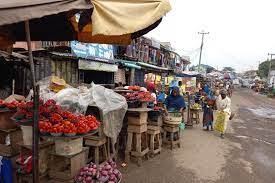
For millions of households, there is little evidence that inflation is easing. Food prices continue to climb relentlessly, transport costs remain high, electricity tariffs have risen, and rents show no sign of moderating. The reality confronting consumers is that while inflation is slowing, prices are not falling.
That distinction is often lost in public discourse.
A lower inflation rate simply means prices are rising more slowly than before, not that they have become cheaper. If a bag of rice increased from ₦80,000 to ₦100,000 last year and now rises to ₦105,000, inflation has moderated, but Nigerians are still paying more.
This is precisely the contradiction reflected in the June data.
While headline inflation dipped by just 0.02 percentage points, food inflation climbed to 17.52 per cent, with monthly food inflation accelerating from 2.98 per cent to 3.75 per cent. Since food accounts for the largest share of household spending, particularly among low-income families, it is food inflation, not headline inflation, that determines whether people feel richer or poorer.
The figures expose an uncomfortable truth: macroeconomic stability is not yet translating into household relief.
The state-by-state data paints an even more worrying picture. Kogi recorded annual food inflation above 53 per cent, while Niger and Benue also exceeded 40 per cent. These are agricultural states that should ordinarily help feed the nation. Instead, insecurity, poor rural infrastructure, climate shocks and rising logistics costs continue to disrupt food production and distribution.
Until these structural challenges are addressed, food inflation will remain stubborn regardless of improvements in monetary indicators.
The Central Bank deserves some credit for restoring greater exchange-rate stability and curbing excessive liquidity. These measures appear to be contributing to the moderation in core inflation. But monetary policy has reached the limits of what it can achieve.
Interest rates cannot harvest maize.
They cannot repair rural roads, secure farming communities, reduce post-harvest losses or improve food transportation. Those responsibilities lie squarely with fiscal authorities.
This is why government officials should resist celebrating marginal declines in headline inflation as evidence that the cost-of-living crisis is over. Nigerians judge the economy not by statistical releases but by what they pay at the market, the filling station and the pharmacy.
Inflation statistics should be treated as a diagnostic tool, not a public relations trophy.
The more meaningful indicator today is purchasing power. If wages remain stagnant while food prices continue to outpace income growth, living standards will continue to deteriorate despite improvements in headline inflation.
Going forward, policymakers must focus less on celebrating lower inflation and more on reducing the prices of essentials through higher agricultural productivity, improved security, lower logistics costs and better energy supply.
The June figures offer cautious optimism, but not comfort.
The economy may be stabilising, but for millions of Nigerians, stability has yet to reach the dinner table.
Until it does, any celebration of falling inflation will ring hollow.