


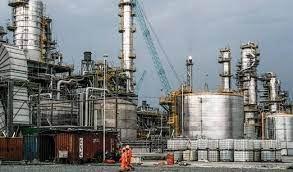
The Dangote Petroleum Refinery has reduced its ex-depot petrol price from ₦828 to ₦699 per litre, a sharp ₦129 cut representing a 15.6 per cent drop, intensifying competition in Nigeria’s fuel market ahead of the festive season.

The new price, which took effect on Wednesday, December 11, 2025, marks about the 20th price adjustment by the 650,000-barrel-per-day Lekki-based refinery this year, underscoring the increasingly dynamic nature of Nigeria’s deregulated downstream sector.
Market watchers say the timing is strategic. With Christmas and New Year travel approaching, fuel demand typically spikes, and the latest cut positions the Dangote Refinery as one of the most competitively priced suppliers in the country. According to Petroleumprice.ng, the move could force rival marketers, including NNPC Limited, to review their pricing or risk losing market share.
A source close to the refinery said the reduction reflects Dangote’s commitment to easing pressure on Nigerians, especially during the festive period.
The price slash follows recent comments by refinery chairman Aliko Dangote, who reiterated his pledge to keep fuel prices “reasonable and competitive” as production ramps up. After a meeting with President Bola Ahmed Tinubu on December 6, Dangote said prices would continue to fall as local refining competes more effectively with imports.
“Prices are going down because we have to compete with imports,” Dangote said, noting that fuel prices in Nigeria remain significantly lower than in neighbouring countries, despite ongoing smuggling challenges.
Industry experts believe the ex-depot cut could translate into lower pump prices, currently between ₦915 and ₦937 per litre in major cities. If savings are passed on, petrol could sell for between ₦750 and ₦850 per litre, depending on location and distribution costs.
“This is positive news for consumers,” said Muda Yusuf, Director of the Centre for the Promotion of Private Enterprise (CPPE). “Lower fuel prices reduce transport and logistics costs, with ripple effects across the economy.”
However, the aggressive pricing strategy is squeezing marketers who stocked fuel at higher prices, raising concerns about margins and possible market consolidation. NNPC Limited has yet to issue an official response, though industry sources say internal pricing reviews are underway.
The frequent price adjustments by Dangote Refinery highlight the broader transformation of Nigeria’s oil industry, long dependent on imported fuel despite being Africa’s top crude producer. With local refining capacity expanding, analysts say competition is finally driving efficiency, price discipline, and improved supply stability.
As Nigerians head into the yuletide season, the latest price cut offers cautious optimism that deregulation and local refining are beginning to deliver tangible benefits at the pump.

