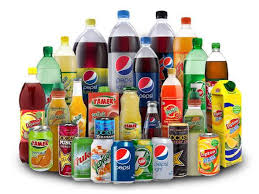
The Centre for the Promotion of Private Enterprise (CPPE) has called on the House of Representatives to reject the proposed Sugar-Sweetened Beverage (SSB) Tax Bill recently passed by the Senate, describing the measure as ill-timed, anti-growth, and inconsistent with the Federal Government’s commitment to reducing the tax burden on businesses.

In a statement issued on Sunday by Dr. Muda Yusuf, its Chief Executive Officer, the private sector advocacy group warned that imposing additional taxes on non-alcoholic beverage manufacturers could further strain an already challenging business environment and undermine efforts to stimulate economic growth.
According to the CPPE, the proposed legislation comes at a time when manufacturers are grappling with rising production costs, high energy prices, foreign exchange pressures, weak consumer purchasing power, and multiple taxation.
The organisation argued that the bill contradicts ongoing government efforts to improve the ease of doing business, attract investment, and support industrial growth.
“At a time when government policy is focused on easing the cost of doing business and revitalising manufacturing, the bill seeks to impose an additional layer of taxation on non-alcoholic beverage manufacturers,” the CPPE stated.
The group stressed that investors value policy consistency and predictability, warning that frequent increases in taxes and levies could discourage both local and foreign investment.
“Investors thrive on predictability. Frequent additions to the tax burden send the wrong signal to both existing and prospective investors,” it said.
CPPE noted that any increase in taxation on the beverage industry would likely be passed on to consumers through higher prices, potentially weakening demand, reducing production levels, and threatening jobs across the value chain.
The organisation added that the food and beverage industry remains a major contributor to Nigeria’s manufacturing output and employment, with strong linkages to agriculture, packaging, logistics, retail, and distribution.
While acknowledging concerns about the growing prevalence of diabetes and other non-communicable diseases, CPPE questioned whether a sugar tax is the most effective public health intervention.
The group argued that lifestyle-related illnesses are influenced by a broader range of factors, including poor dietary habits, sedentary lifestyles, and inadequate health awareness, rather than the consumption of sugar-sweetened beverages alone.
According to the organisation, taxation does little to address the root causes of such health conditions and may instead impose additional economic hardship on businesses and consumers.
As an alternative, CPPE advocated stronger nutrition education programmes, public health awareness campaigns, improved preventive healthcare systems, and policies that encourage healthier lifestyles and increased physical activity.
The intervention comes as the Sugar-Sweetened Beverage Tax Bill advances to the House of Representatives following its passage by the Senate. If approved by the lower chamber and signed into law, the measure would introduce additional taxation on sweetened beverages as part of efforts to reduce sugar consumption and combat non-communicable diseases.
The debate highlights the growing tension between public health objectives and economic growth priorities, particularly at a time when manufacturers continue to face elevated borrowing costs, energy challenges, and subdued consumer demand.
CPPE had earlier raised similar concerns in January, warning that the proposed legislation could prove counterproductive by increasing business costs and weakening the competitiveness of one of Nigeria’s key manufacturing sectors.