


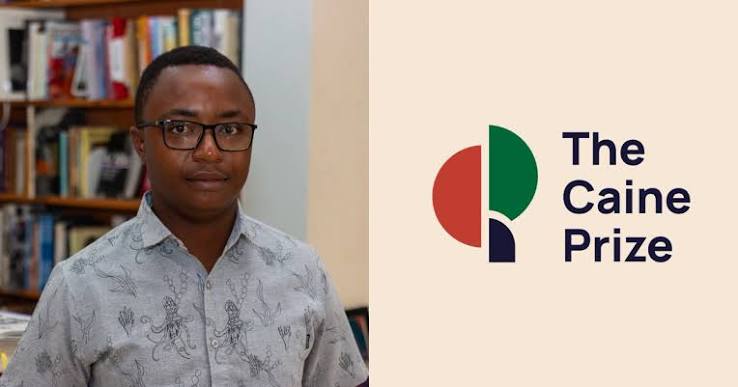
…Independent forensic review finds no evidence that Simbarashe Steyn Kundizeza used generative AI to produce “The Blue Fighter”; new AI disclosure rules to take effect in 2027.

The Board of Trustees of the Caine Prize for African Writing has upheld Simbarashe Steyn Kundizeza’s 2026 award after an investigation found no evidence that his winning story, The Blue Fighter, was generated using artificial intelligence.
The decision, announced in London on November 11, 2026, followed an internal review triggered by an October 11 article in The Atlantic by Vauhini Vara, which raised questions about the possible use of generative AI in producing the story.
The investigation involved interviews with Kundizeza, members of the 2026 judging panel and representatives of The Shallow Tales Review, the publication where the story first appeared.
It also included an examination of the story’s draft metadata by an independent cybersecurity and digital forensic investigator. The review was led by Susi Owusu, Interim Director of the Caine Prize, using a risk management framework.
According to the Board, four separate Word documents were created during the story’s development, representing up to 27 hours of writing and editing before final submission.
The author and publisher also provided documentation tracing the story’s development. The writing process began in April 2025 with the initial idea and was completed in June 2025, following extensive communication with the poet who inspired the piece.
The Board said the findings did not establish any use of generative AI in producing the story.
It also cautioned that AI detection tools alone are not a reliable basis for determining authorship, underscoring the need for a more careful and evidence-based approach when allegations of AI use arise.
While confirming Kundizeza as the 2026 winner and declaring the matter closed, the Caine Prize announced new measures to address concerns about artificial intelligence in literary submissions.
The measures, which will take effect from the 2027 submission cycle, include mandatory AI declarations for stories submitted by publishers and for shortlisted writers.
The Prize will also introduce guidance to help judges assess and raise concerns about possible AI use, alongside a published process for reviewing future allegations.
An AI Use Policy has been developed to provide further guidance to writers, publishers and judges. Submissions for the 2027 prize are scheduled to open on November 23.
Ellah Wakatama, Chair of the Caine Prize, said the organisation adopted a human-centred approach to the investigation because the award involves writers, judges, readers and publishers.
She said the Prize had a responsibility to examine concerns carefully and fairly whenever questions were raised about the integrity of a submission.
“From our detailed investigation, which was guided by a risk management framework that considered the people involved as well as data analysis, we feel the evidence is clear and have made the decision that Simbarashe’s award stands,” Wakatama said.
She added that the Prize looked forward to celebrating with Kundizeza in Zimbabwe before the end of the year.
Wakatama acknowledged that questions surrounding AI and creative authorship would persist, expressing hope that the new measures would help writers, publishers and judges approach the issue with greater confidence and consideration for those involved.
The decision comes amid growing debate across the literary and creative industries over the use of generative AI, the integrity of creative work and the challenges of distinguishing human-authored writing from machine-generated content.
By upholding the award while introducing formal disclosure and review procedures, the Caine Prize is seeking to balance the protection of literary integrity with fairness to writers facing allegations of AI use.

