
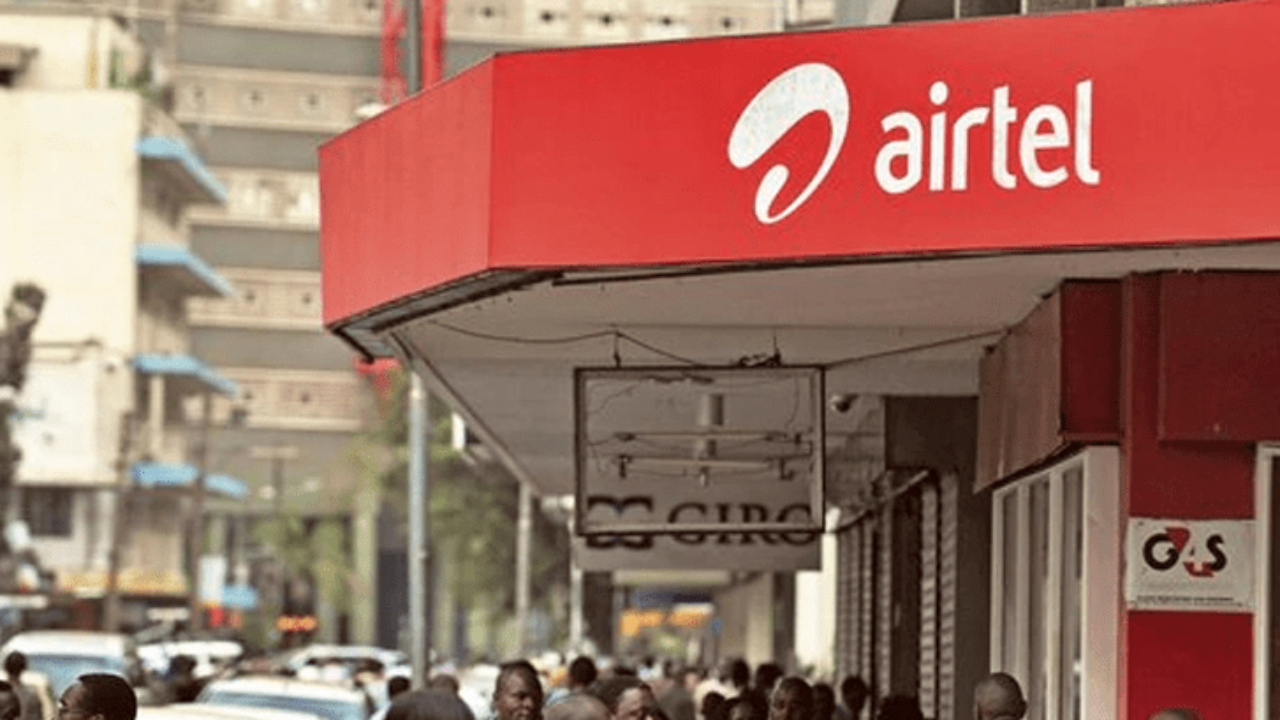

Telecommunications giant Bharti Airtel has surpassed 650 million mobile subscribers worldwide, cementing its position as the second-largest telecom operator globally by customer base.
The milestone was announced in a statement released on Friday, underscoring the company’s growing influence across multiple markets. Airtel’s network now reaches over two billion people globally, including more than 179 million customers across 14 countries in Africa.
According to the company, the subscriber milestone reflects the scale and resilience of its operations.
“Crossing 650 million mobile subscribers worldwide positions the company as the second-largest telecommunications operator on the planet by customer base. This milestone reflects our ability to deliver consistent, high-quality services across diverse markets, powered by sustained innovation,” Airtel stated.
In Nigeria, Airtel Nigeria has significantly expanded its network infrastructure, increasing its site count from 13,000 to nearly 17,200 within three years. Over 1,500 new sites were added in the past year alone to boost capacity in high-demand areas and extend coverage to underserved communities.
Data from the Nigerian Communications Commission shows that Nigeria had 145,141 base stations as of December 2025, with Airtel accounting for 46,918 of them.
The company is also advancing plans for a second submarine cable internet breakout point at Kwa Ibo in Akwa Ibom State, as part of the 2Africa cable system rollout. This is expected to improve speed, resilience, and nationwide connectivity.
Nigeria’s telecom sector continues to be dominated by MTN Nigeria and Airtel Nigeria, both of which lead in subscriber growth and revenue generation.
MTN currently holds a 52.31 per cent market share, while Airtel follows with 33.89 per cent. In 2025, MTN recorded N2.8 trillion in data revenue, compared to Airtel’s N838.6 billion, bringing their combined earnings to over N3.6 trillion.
Other operators, including Globacom and 9mobile, continue to lag behind, reflecting slower growth in both subscriber numbers and revenues.
Despite strong growth, Nigeria’s telecom industry faces persistent complaints over poor service quality, including dropped calls and slow data speeds.
The NCC recently directed operators to compensate customers in areas where service falls below required standards, including issuing airtime credits where performance benchmarks are not met.
Earlier regulations also introduced stricter Quality of Service requirements, with penalties starting from N5 million per infraction and additional daily fines for continued breaches.