


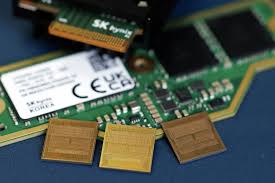
Global smartphone prices could rise by 15–20 per cent in the coming months as surging demand for artificial intelligence (AI) infrastructure fuels shortages in memory chips, industry analysts warn.

The pressure stems largely from rising prices of DRAM and NAND chips, core components used in smartphones, laptops, vehicles, and data centres. Spot prices for DRAM have jumped by more than 600 per cent in recent months, while NAND prices have also climbed sharply amid expanding global data storage needs.
Semiconductor manufacturers are increasingly reallocating production capacity toward high-bandwidth memory (HBM), a specialised chip used in AI accelerators. This shift is tightening supply for conventional memory used in consumer electronics.
Industry observers describe the current phase as a memory “supercycle,” breaking from the sector’s traditional three- to four-year boom-and-bust pattern.
Tim Archer, CEO of Lam Research Corp., said at a conference in South Korea that demand through the end of the decade would exceed anything previously seen.
Major tech leaders have also expressed concern. Companies investing heavily in AI infrastructure, including Amazon, are accelerating demand for advanced memory solutions, reducing availability for smartphones and other consumer devices.
Financial markets reflect the divergence. Shares of SK Hynix have surged more than 150 per cent amid strong AI-related demand, while consumer electronics firms dependent on affordable memory components face cost pressures.
Reports indicate that Chinese smartphone brands such as Xiaomi, OPPO, and Shenzhen Transsion Holdings Co. are reducing shipment targets for 2026, with some cutting forecasts by up to 20 per cent amid cost volatility.
Memory plays a central role in modern smartphones, supporting AI features, advanced cameras, and multitasking performance. As component costs rise, manufacturers may respond by increasing retail prices, lowering base storage configurations, or delaying hardware upgrades.
Nigeria’s smartphone market is heavily import-dependent, making it particularly vulnerable to global supply shocks.
Traders at Lagos’ Computer Village report closely monitoring global pricing trends. While immediate shortages are unlikely, gradual price adjustments are expected as distributors pass on higher procurement costs.
Mid-range devices are projected to face the greatest pressure, as manufacturers attempt to maintain competitive features while managing higher input costs.
