


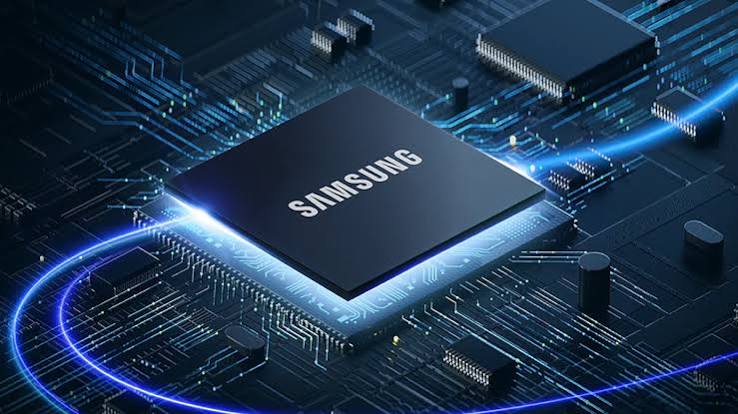
Samsung Electronics expects its quarterly operating profit to surge ninefold year-on-year, as booming demand for memory chips used in artificial intelligence (AI) data centres drives record earnings.

The South Korean technology giant said it expects operating profit for the three months to September to reach 107.4 trillion won ($80 billion), marking its fourth consecutive quarter of record earnings.
The forecast underscores the scale of the global AI boom, which has triggered a surge in demand for advanced semiconductors used to power data centres and AI applications.
Samsung is one of the world’s largest memory-chip manufacturers, competing with South Korea’s SK Hynix and US-based Micron. The companies supply critical components to major AI technology firms, including Nvidia.
The rapid expansion of AI infrastructure worldwide has fuelled unprecedented demand for memory chips, tightening global supply and pushing up prices.
The resulting boom has boosted revenues and profitability across the semiconductor industry, with Samsung among the biggest beneficiaries.
Samsung’s stock market valuation also crossed $1 trillion earlier this year, reflecting investor optimism over its position in the AI-driven semiconductor market.
The company’s latest earnings forecast is based on preliminary figures. Samsung is expected to publish its full third-quarter financial results later in October.
South Korean companies typically release earnings guidance ahead of their full financial reports, giving investors an early indication of their performance. The forecasts are closely watched because they are based on internal company data rather than external analyst estimates.
While memory chips are expected to remain the main driver of Samsung’s earnings growth, the company could also benefit from stronger sales of its consumer electronics products.
Samsung launched its latest foldable smartphones in August, adding to its flagship Galaxy smartphone portfolio, including the Galaxy S26 series.
However, the semiconductor business is expected to remain central to the company’s performance as AI infrastructure investment accelerates globally.
The surge in chip demand is being supported by massive investment from global technology companies.
US technology giants including Google, Amazon and Meta have committed more than $650 billion to AI-related projects this year, increasing demand for data centres, processors and memory chips.
South Korea is also seeking to strengthen its position in the global semiconductor industry.
In June, the government unveiled plans involving at least $880 billion in projects led by Samsung and SK Hynix to expand the country’s chip manufacturing capacity over the coming years.
Japan, China and Taiwan are similarly increasing investment in semiconductor manufacturing as companies race to meet growing demand for AI infrastructure.

