
Africa’s instant payment systems processed 71.4 billion transactions valued at $1.8 trillion in 2025, nearly three times the volume recorded in 2021. Yet, despite the rapid expansion of digital payment infrastructure, cash remains deeply entrenched in everyday transactions, with 55 per cent of digital payment users still relying on it for about half of their payments.

The figures highlight a widening gap between access to digital payment services and actual consumer adoption, as concerns about transaction failures, fraud and poor complaint resolution continue to undermine confidence in electronic payments.
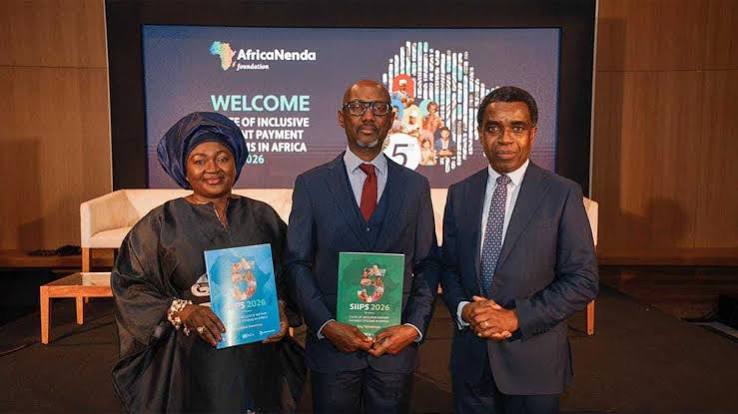
The findings are contained in the 2026 State of Inclusive Instant Payment Systems in Africa (SIIPS) report, released on Thursday by the AfricaNenda Foundation in partnership with the United Nations Economic Commission for Africa (UNECA) and the World Bank Group.
The report, which tracks the development of instant payment infrastructure across Africa over five years, found that 89 per cent of African adults now live in countries with access to instant payment systems.
However, it warned that expanding access alone would not guarantee widespread adoption, stressing that payment reliability, fraud prevention and effective consumer protection would determine whether digital payments become the preferred option for everyday transactions.
Despite the impressive growth in transaction volumes, payment challenges remain widespread across African markets.
According to the report, more than half of surveyed digital payment users across 15 African markets have experienced payment problems, including delayed transactions and transfers to unintended recipients.
More concerning, one in three users who encountered such problems never reported them, largely because they did not know where or how to seek assistance.
Sabine F. Mensah, AfricaNenda Foundation’s Deputy Chief Executive Officer and lead author of the report, said the continent’s payment ecosystem had reached a critical stage where building consumer confidence was more important than simply expanding access.
“The question has changed. It is no longer whether Africans can pay instantly, but whether they trust the system enough to stop reaching for cash,” Mensah said.
She identified instant transaction processing, recipient name verification and real-time payment confirmations as essential safeguards for improving trust.
She also stressed the need for timely resolution of failed transactions and refunds when customers lose money, noting that effective complaint management would encourage more people to embrace digital payment channels.
The report shows that Africa now has 39 operational instant payment systems, comprising 35 domestic systems operating across 29 countries and four regional systems. In total, 43 African countries have access to instant payment capabilities through domestic or regional platforms.
Four domestic systems became operational within the past year in Liberia, Burundi, Guinea and Mauritania. A new regional system also commenced operations, serving the eight member countries of the West African Economic and Monetary Union (WAEMU).
Beyond the existing infrastructure, another 17 African countries have instant payment system projects underway, pointing to further expansion of the continent’s digital financial ecosystem.
Transaction volumes have grown at an average annual rate of 28 per cent since 2021, while the average transaction value declined from $45 to $26.
The report said the decline suggests that instant payment systems are increasingly being used for smaller, everyday transactions rather than being limited to larger transfers.
Mobile money platforms account for 73 per cent of all instant payment transaction volumes, underscoring their importance in extending digital financial services and improving access across African markets.