


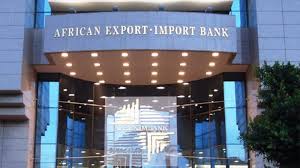
The African Export-Import Bank has approved a $10 billion Gulf Crisis Response Programme (GCRP) to cushion African and Caribbean economies from the economic shocks triggered by escalating conflict in the Middle East.

The facility, endorsed by the bank’s board, is designed to protect trade, stabilise financial systems, and support businesses grappling with disruptions linked to the crisis, which intensified on February 28, 2026.
The conflict has sent shockwaves across global markets, with African and Caribbean countries particularly exposed due to their reliance on imports such as fuel, fertiliser, and food, as well as critical shipping routes like the Strait of Hormuz.
The GCRP aims to sustain the supply of essential imports, including fuel, liquefied natural gas (LNG), fertilisers, food, and pharmaceuticals, by providing short-term foreign exchange and liquidity support to vulnerable member states.
It will also enable African energy and mineral exporters to take advantage of rising global prices and shifting trade routes by scaling production through pre-export finance, working capital, and inventory support.
In addition, the programme offers relief to countries whose tourism and aviation sectors have been hit by the crisis, while supporting long-term resilience through investments in energy, port, and logistics infrastructure.
Commenting on the initiative, George Elombi, Afreximbank President and Board Chairman, said the programme aligns with the bank’s mission to help member countries navigate economic shocks.
“This crisis response programme reflects our deep understanding of the vulnerabilities of our economies. It will help countries adjust to current disruptions while strengthening resilience against future shocks,” he said.
The GCRP builds on previous interventions by the bank, including its response to the 2015-2016 commodity downturn, the COVID-19 pandemic, and the 2023–2024 Ukraine crisis. Notably, the bank’s Ukraine Crisis Adjustment Trade Financing Programme supported African economies with billions of dollars in liquidity and trade financing.

