


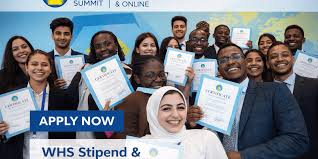
The World Health Summit has opened applications for its fully funded 2026 Stipend and Fellowship Programme, targeting participants from low- and middle-income countries, including Nigeria.

The announcement, made via the summit’s official X account, invites qualified candidates to apply for the global health gathering scheduled to take place in Berlin, Germany, from October 11 to 13, 2026.
Organisers said the fellowship will support up to 15 participants, including individuals with lived experience in global health. Successful applicants will receive round-trip economy flights to Berlin, four nights of hotel accommodation close to the venue, and full summit registration covering access to sessions, meals, and beverages.
Additional support includes reimbursement of up to €200 for local transport and other expenses, as well as up to €200 to cover visa and passport costs. Fellows will also be invited to a pre-summit reception, offering early networking opportunities with global health leaders.
Applications are being reviewed on a rolling basis and may close once all slots are filled, prompting organisers to urge early submissions.
To qualify, applicants must be nationals and residents of countries classified as low- or middle-income under the 2025–2026 World Bank criteria. They must also demonstrate active involvement in global health through work, research, or advocacy, and submit a CV, a motivation letter, and relevant supporting documents via the online application portal.
Candidates are expected to be proficient in English and able to obtain a short-term Schengen visa. While fellows will have full access to summit sessions, they will participate as attendees rather than speakers.
The World Health Summit is a leading platform for shaping global health policy and innovation, bringing together policymakers, scientists, private sector leaders, and civil society actors to address pressing issues.
The 2026 edition will focus on key themes such as pandemic preparedness, health financing, digital health, climate and health, and equitable access to care. The fellowship programme is designed to broaden participation and ensure that diverse perspectives, particularly from developing countries, are represented in global health discussions.

