The Lagos State Government has announced plans to fully digitalise its public healthcare system within the next six to nine months, in a move aimed at strengthening healthcare delivery and improving medical data management.

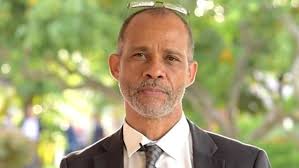
Prof. Akin Abayomi, the state Commissioner for Health, disclosed this during the launch of the Data Science and Medical Image Analysis Training for Improved Healthcare Delivery in Nigeria (DATICAN) and a new high-performance computing facility at the Lagos State University Teaching Hospital.
According to Abayomi, the initiative is being driven through the Smart Health Information Platform (SHIP), a project designed to digitise healthcare services across all public facilities in the state. The programme covers general hospitals, teaching hospitals and more than 300 primary healthcare centres.
He noted that the project has been underway for about 18 months and is already 50 percent complete, with full digital integration expected within the next nine months.
Abayomi said the digital transformation would improve patient record management, health data governance and service delivery, while ensuring that citizens’ medical data remain secure and protected.
The DATICAN programme is also expected to support the initiative by training specialists in data science and medical image analysis, helping to strengthen research capacity and data-driven healthcare decision-making in Nigeria.
Benjamin Aribisala, Programme Director of DATICAN, said the initiative seeks to bridge gaps in medical data research by fostering collaboration between medical professionals and computer scientists, while building a national repository of medical images for research and innovation.
Tunji Alausa, Nigeria’s Minister of Education, added that the newly launched Medical Image Repository would support the development of artificial intelligence diagnostic tools tailored to Nigerian and African populations.
Meanwhile, the Lagos State House of Assembly is considering the creation of a new regulatory agency to monitor private healthcare providers and complement the work of the Health Facilities Monitoring and Accreditation Agency.
Health authorities also noted that broader reforms such as the Lagos State Health Scheme (Ìlera Èkó) could generate more than N400 billion annually for the sector if at least 20 million residents enroll in the programme.