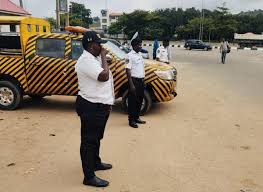
The Cross River State Government has banned Vehicle Inspection Officers (VIO) from conducting road operations and reduced transport fines across the state following complaints from commercial drivers.

Governor Benedict Otu announced the directive in Calabar, according to a statement by his Chief Press Secretary, Linus Obogo, as reported by the News Agency of Nigeria (NAN).
The decision follows protests by bus and tricycle operators who accused enforcement teams of excessive fines, high ticket fees, and harassment.
Under the new directive, VIO officers will no longer be permitted to operate on roads and are restricted to office-based duties. The government also ordered a 50 per cent reduction in traffic fines, with payments required only through designated state government accounts.
Daily ticket fees for tricycle operators have been reduced from ₦1,200 to ₦500, while bus ticket fees have been cut from ₦850 to ₦500.
The penalty for failing to purchase a ticket has also been reduced to ₦10,000.
The government further banned night operations for tricycles, directing that their activities must end by 6 p.m. daily.
To streamline enforcement, the state clarified the responsibilities of its transport agencies.
The Commercial Transport Regulatory Agency (CTRA) will handle vehicle registration and ticket sales, while the Traffic Management and Regulatory Agency (TRAMRA) will focus strictly on traffic management.
Officials involved in enforcement must also operate in uniform with verifiable identification.
Commercial drivers will also be exempt from ticket payments on weekends and public holidays.
The new measures will take effect from March 9, 2026, with the government urging transport operators and residents to comply.
The decision reflects a broader debate over the powers of vehicle inspection officers in Nigeria.
In October 2024, the Federal High Court in Abuja ruled that VIO officials lacked the authority to stop, impound, or confiscate vehicles in the Federal Capital Territory (FCT), following a lawsuit challenging their enforcement powers.
However, some states, including Lagos, maintain that their own transport laws still authorise vehicle inspection services to enforce road regulations.
Cross River officials say the new policy aims to reduce financial pressure on commercial operators and curb enforcement abuses while maintaining order on the state’s roads.