Africa must balance the push for cleaner energy with the urgent need to expand electricity access, reduce poverty and drive economic growth, Professor Ekundayo Peter Mesagan of Pan-Atlantic University has said.

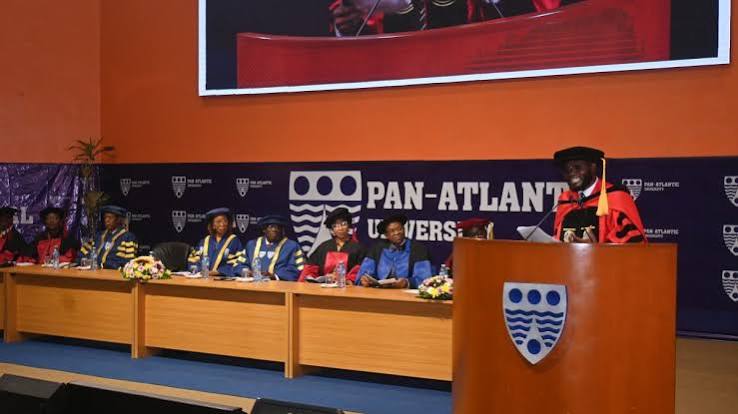
Mesagan made the case at the university’s 26th Inaugural Lecture, titled “Making Lemonade from Lemons: The Fossil Energy & Sustainability Puzzle,” held at the Honeywell Group Auditorium of Lagos Business School.
A Professor of Energy and Environmental Economics in the university’s School of Management and Social Sciences, Mesagan examined the challenges facing oil-producing and developing countries as they navigate the transition to cleaner energy without undermining economic development.
He argued that moving away from fossil fuels is more complex than simply replacing oil and gas with renewable energy, noting that technological constraints and cost considerations would keep fossil fuels relevant to the global energy mix for years to come.
For Africa, he said, energy transition policies must reflect the continent’s economic realities rather than replicate approaches adopted by Europe.
Expanding electricity access, tackling poverty and supporting industrial development, he maintained, should remain central to the continent’s energy strategy.
The professor also highlighted the importance of effective governance and sound economic policies in determining whether countries can translate their natural resource wealth into sustainable development.
According to him, access to oil, gas and other natural resources does not automatically guarantee prosperity. Strategic investment, technological innovation and policies that support economic diversification are equally important.
Mesagan identified emerging technologies, including cleaner industrial processes and carbon capture and storage, as potential tools for reducing the environmental impact of energy production.
He also stressed the need for financial systems that channel investment towards environmentally responsible projects while supporting economic development.
The professor called for greater collaboration among economists, engineers, environmental scientists, policymakers and other professionals to develop energy solutions that balance environmental protection with the needs of developing economies.
Earlier, Professor Enase Okonedo, Vice-Chancellor of Pan-Atlantic University, commended Mesagan’s contributions to research, public policy and economic development.
She highlighted his expertise in energy and environmental economics, industrial policy, natural resources and sustainable development.
Okonedo also noted his involvement in the drafting committee for Nigeria’s Agenda 2050 under the Federal Ministry of Budget and Economic Planning, as well as his engagements with the Nigerian Economic Summit Group and the Nigerian Institute of Social and Economic Research.
The lecture attracted university principal officers, members of Senate, academics, students, alumni, industry representatives, policymakers and other members of the public.
Mesagan’s presentation adds to the growing debate over how African countries can pursue lower-carbon development while meeting rising energy demand and creating the economic opportunities needed to improve living standards.