


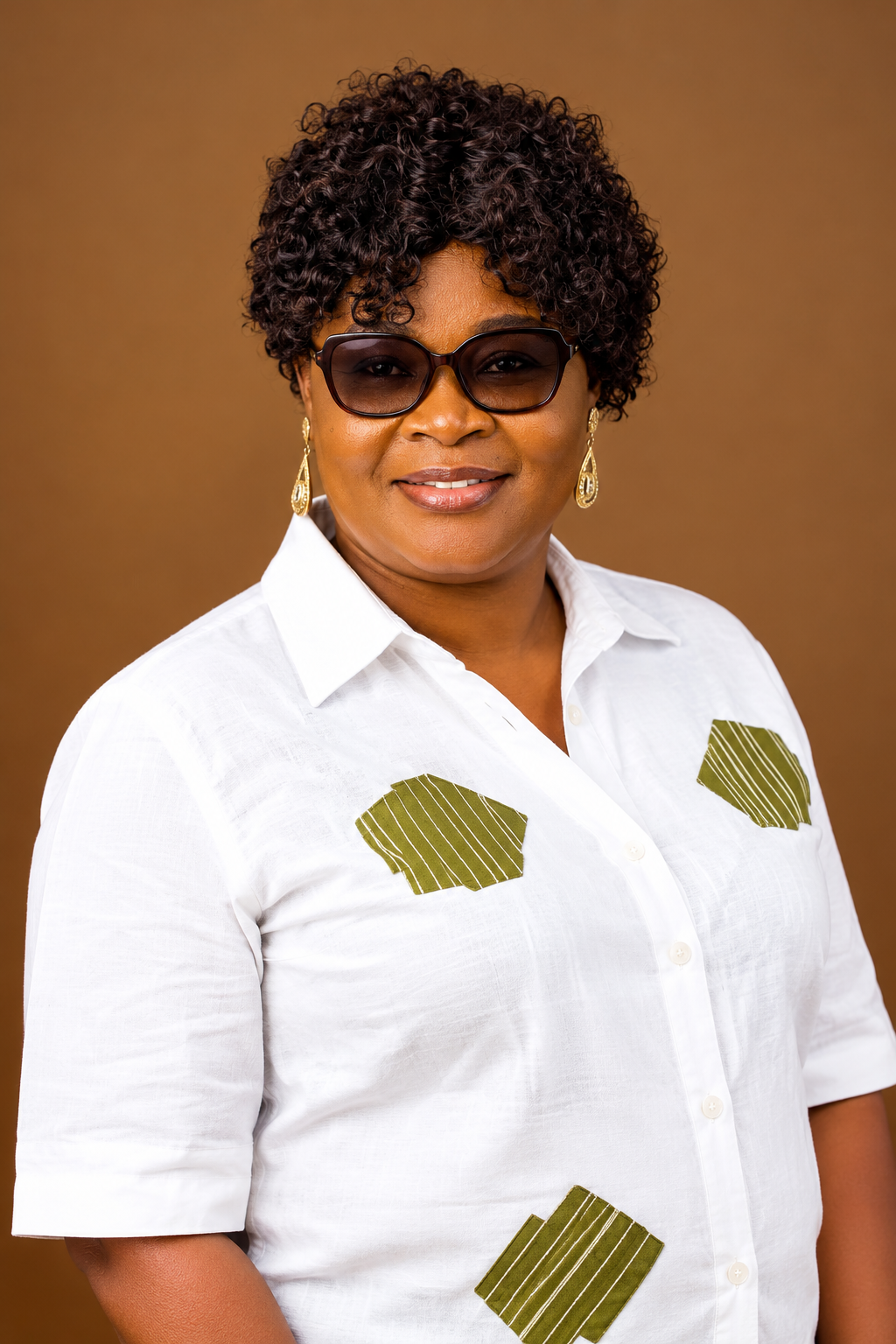
By Dr Elizabeth Ndubisi Eromosele

The elders say that there are some things we only truly appreciate when we begin to lose them. Vision is one of them. Every morning, we open our eyes and enter a world we rarely stop to think about. We read messages, recognise faces, drive, work, study, cook, trade, use our phones and navigate our surroundings. We depend on our eyes for much of what we do, yet eye health is often one of the last things we consider when thinking about preventive healthcare.
World Sight Day 2026, marked on October 8, offers an opportunity to change that mindset. This year’s theme #LoveYourEyes reminds us that protecting sight is not simply about seeing clearly. It is about protecting our ability to learn, work, remain independent and participate fully in society. The global campaign is calling attention to accessible, available and affordable eye care, while encouraging action in schools, workplaces and communities.
Let’s look at the numbers. The World Health Organisation estimates that at least 2.2 billion people globally have near or distance vision impairment, with at least one billion cases preventable or yet to be addressed. In Nigeria, an estimated 4.25 million adults aged 40 and above are blind or visually impaired, according to data from Sightsavers Nigeria. Sadly, behind these statistics are real everyday people.
Now, consider the child who sits at the back of a classroom and struggles to read what the teacher writes on the board. The child may be labelled inattentive or academically weak when the real problem is simply poor vision.
Or the middle-aged professional who increasingly holds a phone farther away to read messages and assumes it is “just age”. It may indeed be presbyopia, a normal age-related change in near vision, but it is still something that can be properly assessed and corrected.
Then there is the person with glaucoma who feels perfectly fine. Glaucoma can develop silently, damaging the optic nerve before noticeable symptoms appear. By the time significant vision loss becomes obvious, some damage may already be irreversible.
These examples demonstrate why eye care cannot begin only when someone notices that they cannot see. Eye health is closely connected to education, employment, safety and quality of life. Indeed, eye health is public health.
For children, good vision supports learning. For workers, it supports productivity and safety. For older people, preserved vision can mean the difference between independence and dependence.
Diabetes provides another important example. Poorly controlled diabetes can damage the blood vessels of the retina and cause diabetic retinopathy, potentially threatening sight. This means eye care cannot be separated from general healthcare. A person living with diabetes needs medical management and appropriate eye care.
This is precisely why routine eye examinations matter, even when everything appears normal. So, an eye examination is not simply a test to determine whether someone needs spectacles. It can also help detect conditions that may otherwise go unnoticed.
It is however not all gloom. The country has made important efforts to address avoidable vision impairment.
The National Eye Health Strategic Development Plan 2024 – 2028 places emphasis on universal eye health and integration of eye care into the broader health system.
The Nigerian Optometric Association (NOA) is also playing an important role in taking eye-health advocacy beyond the consulting room. Through its activities, including community outreach and vision corridors, the association brings professional eye care and public education closer to Nigerians. NOA Lagos specifically identifies World Sight Day among the occasions when it organises free vision screenings and other outreach programmes. This is important because awareness becomes meaningful when it leads to action.
The NOA’s World Sight Day activities also includes school health talks, free eye screenings, awareness walk across the zones and media campaigns focused on preventable blindness and the importance of regular eye examinations. These initiatives demonstrate what is possible when professional associations, government, communities and other stakeholders work together.
As we mark World Sight Day 2026, there are five simple actions worth prioritising.
First, make routine eye examinations normal. Do not wait until vision deteriorates significantly before visiting your optometrist.
Second, prioritise children’s vision. A child who cannot see properly cannot be expected to learn to their full potential.
Third, encourage people with chronic conditions such as diabetes and hypertension to take eye health seriously.
Fourth, make workplaces safer for the eyes through appropriate protective equipment, lighting, screen practices and regular checks.
Finally, strengthen access to affordable treatment. Early detection has limited value if people cannot afford or reach the care they need.
Of course, World Sight Day should be more than another awareness day. It should be a reminder that sight is an essential part of human capital.
This World Sight Day, let us truly #LoveYourEyes.
Dr Elizabeth Ndubisi Eromosele (OD), is Lead Optometrist at Vantage Point Eye Clinic, Idimu, Lagos and immediate past Secretary for NOA Alimosho.

