


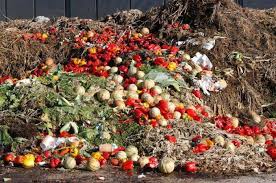
Nigeria is losing an estimated 35 million metric tonnes of food annually due to poor storage facilities, inadequate infrastructure, and inefficiencies across the agricultural value chain, according to a new report by Rome Business School Nigeria.

The report, titled “The Food Sector in Nigeria: Consumption Patterns, New Business Models, and Emerging Opportunities,” warns that despite the country’s food sector being valued at more than $233 billion, persistent structural challenges are undermining food security and economic growth.
According to the study, nearly half of Nigeria’s perishable food production is lost each year, resulting in economic losses estimated between N3.5 trillion and N5 trillion annually.
Researchers attributed the massive waste largely to inadequate cold-chain infrastructure, poor storage systems, weak transportation networks, and post-harvest handling deficiencies.
Beyond the economic cost, the report noted that food losses are worsening food insecurity, driving up prices, reducing access to nutritious meals, and placing additional pressure on already strained food systems.
The findings come at a critical time as Nigeria’s population has surpassed 230 million and is projected to approach 400 million by 2050.
The report warned that unless major investments are made to close infrastructure gaps, rising demand for food could further expose weaknesses in the country’s agricultural production and distribution systems.
Despite these challenges, the study highlighted significant growth opportunities within the sector. Nigeria’s foodservice market is projected to expand from $12.37 billion in 2026 to $21.38 billion by 2031, driven by rapid urbanisation, changing consumer lifestyles, and the growing popularity of food delivery services and quick-service restaurants.
Technology is also playing an increasingly important role in reshaping the industry. The report revealed that more than 60 per cent of informal food vendors now use mobile payment platforms, helping to integrate small businesses into the digital economy while expanding access to financial services.
One notable trend identified by the researchers is the growing reliance on sachet-sized products as households struggle with rising living costs.
The report stated that many Nigerian families now spend up to 70 per cent of their income on food, forcing consumers to purchase smaller quantities of essential products as a coping strategy.
Commenting on the findings, Olakunle Asunmo, General Manager of Rome Business School Nigeria, said developments within the food sector reflect broader economic realities facing Nigerian households.
According to him, food consumption patterns show how consumers are adapting to economic pressures while navigating an increasingly modern economy.
He noted that while premium dining and high-end food services continue to grow among affluent consumers, a larger segment of the population is increasingly dependent on affordable, small-sized food packages.
The report identified cold-chain infrastructure as one of the country’s biggest untapped investment opportunities, estimating the market could be worth as much as $10 billion.
Researchers noted that emerging technologies such as solar-powered cold storage facilities and smart cooling systems have demonstrated strong potential to reduce post-harvest losses and improve food preservation.
Head of Academics at Rome Business School Nigeria, Sam Igwe, stressed the importance of strengthening food systems, noting that food accessibility remains closely linked to public welfare and quality of life.
“When food systems fail, families face higher prices, poorer nutrition and reduced access to essential food supplies,” he said.
Providing a broader outlook, Founder of Rome Business School, Antonio Ragusa, said Nigeria’s long-term economic resilience would depend significantly on investments in infrastructure, innovation, and human capital capable of driving sustainable growth.
The report also identified unreliable electricity supply, poor road networks, insecurity in farming communities, and fragmented regulatory frameworks as major constraints limiting efficiency across the food ecosystem.
To address these challenges, the researchers recommended increased investment in cold-chain logistics, agricultural technology, innovative financing models, cloud kitchens, and stronger public-private partnerships to improve productivity and reduce waste.
While warning that structural deficiencies continue to undermine food availability and affordability, the report concluded that Nigeria remains one of Africa’s most attractive food investment destinations due to its large population, expanding urban centres, and growing adoption of digital technologies.
“The food sector is not declining; it is evolving,” the report stated, adding that future growth will depend on how effectively stakeholders address infrastructure deficits, improve accessibility, and strengthen supply chain efficiency.
