


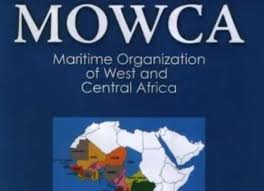
The Maritime Organisation of West and Central Africa (MOWCA) is intensifying efforts to unlock the region’s maritime economic potential through a new initiative aimed at harmonising training standards and building a globally competitive workforce across member states.

Paul Adalikwu, MOWCA Secretary-General, made this known at a four-day exchange programme involving the Regional Maritime University (RMU), Accra; Académie Régionale des Sciences et Techniques de la Mer, Abidjan; and the Maritime Academy of Nigeria (MAN), Oron.
Adalikwu said the initiative is critical given that over 90% of trade in West and Central Africa is seaborne, stressing that human capital development remains central to unlocking growth, job creation, and regional integration.
He explained that the programme represents a shift from fragmented national training systems to a coordinated regional framework that can deliver internationally recognised certification and improve employment opportunities for maritime professionals.
“Ultimately, what we seek to build is not just cooperation, but a cohesive regional maritime knowledge ecosystem,” Adalikwu said.
He added that MOWCA remains committed to strengthening maritime capacity, promoting safe and efficient shipping, supporting the African Continental Free Trade Area (AfCFTA), and deepening intra-African trade.
Adalikwu also highlighted key challenges facing the sector, including digital transformation, emerging technologies, decarbonisation, environmental compliance, and security threats in the Gulf of Guinea.
Kevin Okonna, Maritime Academy of Nigeria Rector, described the exchange programme as a major milestone in globalising maritime education in the region, noting ongoing efforts to secure broader international recognition for certifications.
He said the academy had already engaged regional partners, including RMU Ghana and the Liberian Maritime Administration, to strengthen collaboration and standardisation.
Jethro Brooks, RMU Acting Vice-Chancellor, said the challenges facing Africa’s maritime sector are better addressed through collaboration, curriculum alignment, and shared resources.
Coulibally Kareem, Académie Régionale des Sciences et Techniques de la Mer Director-General, said the initiative provides a platform for harmonising training standards and improving regional cooperation.
William Azuh, Former International Maritime Organization (IMO) African Section Head, described the programme as timely, noting that skills development and certification remain key to competitiveness in global shipping.
Stakeholders say the success of the partnership could significantly enhance West and Central Africa’s ability to compete in the global maritime economy, where standards, skills, and certification determine market access and growth.

