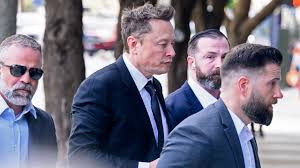
A jury trial that could reshape the future of OpenAI and the wider AI industry begins Monday, as Elon Musk’s lawsuit against OpenAI and its leadership heads to court.

At the centre of the dispute are OpenAI CEO Sam Altman and other executives, whom Musk accuses of abandoning the company’s original nonprofit mission in favour of profit-driven motives. The case is expected to feature testimony from some of the biggest names in tech and could influence OpenAI’s planned IPO and its competitive standing in the fast-moving AI race.
Musk, who co-founded OpenAI in 2015 and later left the company after a leadership fallout, argues that the organisation betrayed its founding promise to develop artificial intelligence for public benefit. He claims OpenAI’s shift toward a for-profit structure represents a breach of trust and misuse of the nonprofit foundation he helped build.
OpenAI rejects the claims, arguing Musk supported similar commercial moves before his departure and only filed the lawsuit after launching his own rival AI company, xAI. The company says the case is driven by competitive tensions rather than principle.
If Musk wins, the outcome could force structural changes at OpenAI, potentially affecting its leadership and delaying or disrupting its IPO ambitions.
Selecting an impartial jury is expected to be one of the biggest hurdles in the case. Both Musk and Altman are global public figures, and the trial centres on artificial intelligence—an industry that already divides opinion.
Legal experts say jurors will not be required to be unfamiliar with the figures or technology involved, but must be able to set aside personal views and decide based only on evidence presented in court.
Because of the high-profile nature of the case, the judge is calling a larger-than-usual pool of potential jurors, roughly three times the size of a typical civil trial.
Musk is seeking a reversal of OpenAI’s corporate restructuring, removal of key executives from leadership roles, and damages exceeding $130 billion, though he says any payout should go to OpenAI’s nonprofit arm, not to him personally.
Microsoft, a major OpenAI partner, is also named in the lawsuit for allegedly supporting the company’s shift away from its original structure.
The trial is expected to feature extensive internal communications, including emails and messages from senior figures in the tech industry. Witnesses may include Musk, Altman, OpenAI co-founder Greg Brockman, Microsoft CEO Satya Nadella, and others connected to the company’s early development.
A jury decision is expected to begin forming around mid-May, though the final ruling will rest with the presiding judge.
Legal analysts say the outcome may hinge less on technical details and more on which side presents a clearer, more credible narrative to jurors navigating one of the most consequential tech disputes in years.